

Every dollar one chooses to invest in their home ideally serves a dual purpose: it should enhance everyday living comfort while also methodically contributing to the buildup of home equity over time. Yet, the allure of residential remodeling projects is frequently romanticized, often resulting in homeowners succumbing to the temptation to over-personalize their living spaces with aesthetics that lean toward hyper-trendy designs. While these designs may reflect current fashion or personal taste, they typically do not succeed in recouping their costs when the time comes to resell the property. To maximize the return on such investments, it is crucial to pivot away from personal, emotionally driven design choices and towards enhancements that hold greater appeal in the broader real estate market.
In the current landscape of real estate, prospective homebuyers have become more discerning and are inclined to look beyond mere superficial staging that might initially attract the eye. These modern buyers place a higher value on functional upgrades that emphasize practicality and efficiency. They desire modernizations that feature low-maintenance materials, which lessen the ongoing upkeep required, and exhibit unwavering structural integrity and reliable mechanical systems. Homes that boast luxurious and high-end cosmetic finishes but conceal outdated or failing systems, such as an aging climate control setup or inefficient plumbing, risk encountering stumbling blocks during critical phases such as the home inspection. Such deficiencies might rapidly cool a buyer’s interest, potentially stalling or derailing the sale process altogether. Thus, aligning remodeling strategies with these buyer priorities is essential for ensuring a profitable return on real estate investments.
Structural Modernization: Future-Proofing the Heart of the Home
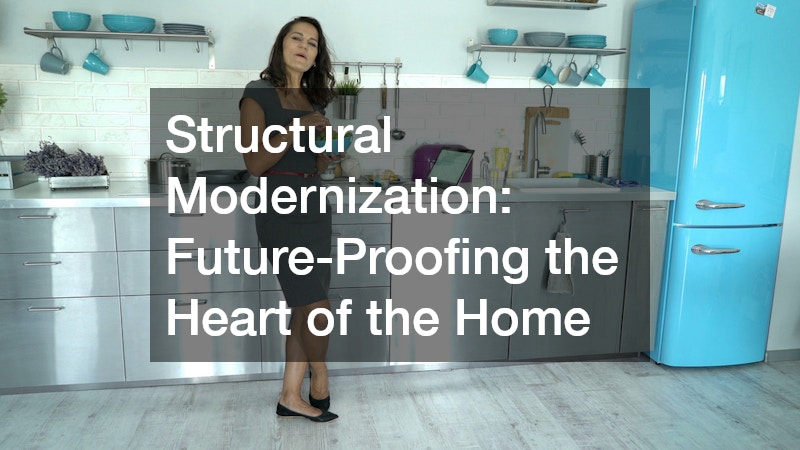
The kitchen remains the primary anchor of residential property value. It serves as the central hub of daily life and a major focal point for prospective buyers. When planning structural upgrades here, focus heavily on creating open-concept layouts that seamlessly connect cooking zones to adjacent living areas. Removing non-load-bearing partitions or creating functional half-walls can make a cramped floor plan feel vastly more expansive without adding a single square foot to the home’s footprint.
When updating surfaces, prioritize timeless durability over passing design fads. Quartz countertops provide the upscale look of natural marble but offer non-porous resistance to staining and scratching, making them highly attractive to busy families. Pair these with deep, under-mount stainless steel sinks and classic subway tile backsplashes to ensure the design remains relevant for a decade or more. Minor-to-midrange kitchen updates consistently outperform major luxury gut-renovations, frequently yielding a return of seventy to eighty percent of their cost by avoiding over-customization.
Altering walls, relocating gas lines, or restructuring lighting grids carries significant risk if executed incorrectly. Mistakes can lead to structural sagging or code violations that complicate a future sale. Evaluating professionals thoroughly before signing a contract is essential to keeping your project on track:
- Request active proof of general liability insurance and workers’ compensation coverage.
- Examine past project portfolios specifically looking for layout reconfigurations similar to yours.
- Verify their standing with local building departments to ensure they pull all necessary permits.
- Ensure the payment schedule is tied directly to verifiable project milestones rather than calendar dates.
- Confirm the project scope includes a detailed, written cleanup and debris disposal plan.
- Establish clear daily working hours in the contract to minimize disruption to your neighborhood.
- Require a comprehensive, written warranty covering structural craftsmanship for at least one year.
Working with experienced kitchen remodeling contractors ensures your structural changes comply with local building codes and maintain the home’s underlying integrity.
Beyond layout aesthetics, modern kitchens must deliver efficient, reliable energy. Gourmet cooks overwhelmingly prefer gas or dual-fuel ranges for precise temperature management, but not every property has access to municipal natural gas lines. In these scenarios, establishing a dedicated, high-capacity fuel storage system on the property is the most effective workaround.
Proper placement of residential propane tanks requires strict adherence to local setback regulations, ensuring they sit a safe distance from property lines, basement windows, and ignition sources. Integrating a well-regulated fuel delivery system not only powers professional-grade cooking appliances but can also serve as an efficient fuel source for supplemental zone heaters, adding a distinct layer of utility that savvy buyers appreciate.
Hidden Returns: Optimizing Invisible Systems and Airflow

While cosmetic updates catch the eye, a home’s mechanical health secures the transaction. Neglected heating, cooling, and ventilation infrastructure silently drains equity through elevated utility bills and accelerated equipment wear. Over time, supply and return registers accumulate substantial quantities of dust, pet dander, and construction debris. This buildup restricts airflow, forcing the primary air handler to work harder and consume more electricity to maintain a stable indoor temperature.
A compromised ventilation system often exhibits distinct warning signs that homeowners should not ignore:
- A fine layer of gray dust returning to flat surfaces within days of a thorough cleaning.
- Persistent, musty odors traveling through the vents when the system cycles on.
- Noticeable temperature variances between rooms served by the same trunk line.
- An unexpected, unexplained rise in monthly heating or cooling costs.
- Excessive static electricity and dry indoor air during peak heating months.
- Visible particulate accumulation on the interior mesh of intake grills.
- Frequent, short-cycling of the air handler as it struggles to maintain consistent pressure.
Addressing these issues by coordinating with professional air duct cleaners removes the internal restrictions within the ventilation loops, directly improving indoor air quality and restoring system efficiency. This mechanical baseline serves as a powerful, documented selling point during property disclosures.
When mechanical components near the end of their functional lifespans, proactive replacement beats emergency repairs every time. Upgrading an obsolete furnace or air conditioner to an Energy Star-certified system drastically reduces a home’s operational carbon footprint and lowers monthly overhead. Modern buyers actively seek out homes equipped with multi-stage compressors and smart, programmable thermostats that allow for customized zoning.
Enlisting licensed HVAC companies to perform precise heating and cooling load calculations ensures your new equipment is perfectly sized for the property’s square footage. An oversized unit will short-cycle continuously, wearing out components prematurely, while an undersized unit will run non-stop without ever reaching the desired temperature. Getting this right guarantees long-term energy savings and reliable climate control performance.
High-Yield Sanctuary: Bathroom Overhauls That Sell
Bathrooms are intensely scrutinized by home appraisers and buyers alike. They are viewed as private sanctuaries where functional cleanliness must blend seamlessly with comfort. To capture the highest market yield, avoid highly stylized, dark color schemes or vintage clawfoot tubs that lack practical daily utility. Focus instead on universal design concepts: large-format porcelain tiling, open layouts, and bright, neutral tones that maximize natural light.
Converting an underutilized bathtub into a spacious, curbless walk-in shower is one of the most profitable layout modifications you can make. This modification makes the entire room feel larger and improves long-term accessibility. When budgeting bathroom remodeling service, allocate funds carefully: invest heavily in hidden components like multi-layer waterproofing systems and solid brass valve fixtures, while saving money on decorative elements like mirrors and hardware that can be easily swapped out later.
Visual weight plays a critical role in how spacious a bathroom feels. Traditional shower enclosures with thick metal frames or opaque fabric curtains chop up a room, making a standard layout feel tight and confined.
- Opt for thick, tempered panels that use minimal structural hardware.
- Ensure the glass features a hydrophobic coating to resist hard water spots and soap scum.
- Choose solid brass hinges and handles that match the finish of your sink and shower valves.
- Verify that the installation layout allows the door to swing cleanly without obstructing vanities or toilets.
- Insist on heavy-duty wall anchors to secure the weight of frameless glass permanently.
- Verify that the threshold slope directs water entirely inward toward the drain assembly.
- Confirm that all structural glass panels are sealed with high-grade, mold-resistant silicone.
Installing custom shower doors creates a continuous, unbroken sightline across the room. This simple change instantly amplifies the perception of square footage and gives the space a high-end, boutique-hotel aesthetic.
The Infrastructure Lifeline: Preventive Plumbing Upgrades
Few things derail a home sale faster than a home inspection report filled with plumbing deficiencies. Water infrastructure operates under constant pressure, and minor, unaddressed leaks can silently rot framing timber, foster mold growth, and ruin drywall. Upgrading older supply lines—such as failing galvanized iron or brittle early-generation plastics—to modern, flexible PEX piping is a foundational investment that safeguards your entire property.
Replacing main shutoff valves and installing smart leak-detection systems provide immense peace of mind and can even lower your homeowner’s insurance premiums. Because plumbing modifications require strict adherence to local building codes and pressure-testing protocols, attempting to DIY these systems is rarely worth the risk. Hiring a licensed plumbing contractor ensures that all work is properly permitted, safely routed, and fully documented for future buyers who want proof of structural maintenance.
While supply lines bring clean water in, the waste drainage system is equally vital to a home’s perceived value. Sluggish drains, gurgling fixtures, or recurring backups are clear indicators that organic waste, tree roots, or mineral scale have compromised the interior diameter of your main waste lines. Standard retail chemical drain cleaners offer only temporary relief and can actually corrode older metallic pipes over time.
Investing in professional drain cleaning services, such as hydro-jetting, utilizes high-pressure water streams to thoroughly scour pipe walls clean down to the municipal tie-in. This preventive maintenance completely clears out stubborn blockages and restores optimal flow capacity throughout the home:
- Schedule a video camera inspection to pinpoint the exact location and nature of the blockage.
- Use hydro-jetting to blast away grease buildup and intrusive micro-roots without damaging the pipes.
- Clear out secondary branch lines serving kitchens and laundry rooms to eliminate slow-draining sinks.
- Keep a copy of the post-cleaning camera footage as verifiable proof of a healthy drainage network.
- Establish a bi-annual maintenance review to catch downstream bellies or shifting lines early.
- Ensure the waste line cleanout access points are easily accessible and unobstructed for future service.
- Verify that all structural cleanout caps are replaced with airtight, non-corrosive brass or PVC fittings.
High-Impact Aesthetics: Lighting, Color, and Windows

When structural and mechanical systems are fully optimized, cosmetic refinement offers a fast, cost-effective way to boost your home’s market value. Paint is arguably the most powerful tool available for altering the mood, scale, and perceived cleanliness of an interior space. Applying a fresh coat of premium, low-VOC paint instantly erases years of scuffs, pet marks, and outdated color choices, presenting a pristine canvas to prospective buyers.
Choosing the right color palette requires a strategic, market-conscious approach. Soft, warm neutrals like soft taupes, muted grays, and warm creams reflect light efficiently, making small rooms feel larger and brighter. The quality of execution is just as important as the color choice itself; sloppy lines along ceilings, visible roller marks, and poorly patched drywall immediately signal cheap workmanship. Coordinating with professional painting contractors guarantees crisp transitions, uniform coverage, and a flawless finish that elevates the overall perception of the home.
Along with fresh paint, controlling how natural light enters and interacts with a room is essential. Windows are architectural focal points, but leaving them bare can make a space feel cold and unfinished, while heavy, dated drapery chokes off natural light and dates the property. Modern window modifications should strike a careful balance between privacy, light control, and thermal insulation.
- Choose plantation shutters to add architectural substance and crisp, clean lines to living rooms.
- Install cellular shades to provide a clean look while creating an insulating air barrier that lowers energy bills.
- Incorporate motorized roller shades in primary bedrooms to appeal to tech-conscious buyers.
- Stick to neutral, cohesive tones across all rooms to present a unified look from the street.
- Ensure mounting hardware is secured directly into structural framing rather than bare drywall.
- Verify that cordless or concealed tension systems are utilized to meet modern child safety standards.
- Opt for UV-blocking fabrics or materials that prevent the premature fading of interior flooring and furniture.
Investing in high-quality window treatments polishes the interior design and helps regulate indoor temperatures, boosting both aesthetic and functional value.
The most successful interior renovations focus on a balanced mix of visible style and invisible mechanical performance. While it is easy to get caught up in choosing paint colors and quartz countertops, ensuring your home’s underlying heating, ventilation, plumbing, and energy systems are in top shape is what truly protects your investment and ensures a smooth resale.
Before diving into major cosmetic overhauls, consider scheduling professional inspections for your home’s core systems. Addressing hidden maintenance needs first ensures that your hard-earned remodeling dollars are built on a solid, reliable foundation. By focusing your time and budget on updates that offer broad, lasting appeal and verifiable efficiency, you will enjoy a more comfortable, functional living space today while maximizing your equity for tomorrow.