
For many homeowners, home improvement often brings up images of fresh paint, stylish lights, and modern furniture. While these updates are satisfying, they don’t protect your largest financial asset from time, weather, and daily wear. True home longevity is built from the inside out. It requires shifting from temporary fixes to permanent structural endurance. A reactive approach to home maintenance—waiting for a pipe to burst, a roof to leak, or a floor to sag before acting—is expensive and can cause irreversible damage. To maximize your property’s lifespan, adopt a core-first strategy. This means prioritizing the home envelope and infrastructure before investing in aesthetics. By fortifying the base, exterior, and internal systems, you ensure every interior upgrade rests on a secure foundation.
Managing Moisture and Soil Shifts Around the Base
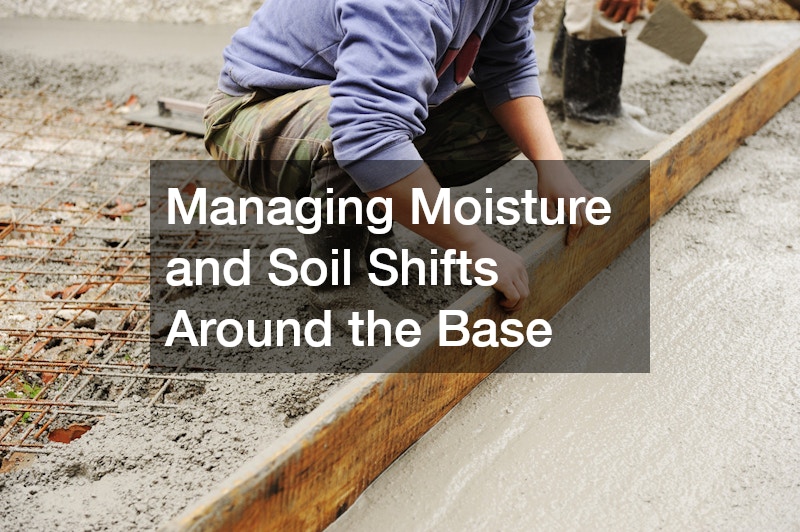
The weight of your home depends on the stability of the earth beneath it, making soil management and water diversion crucial for structural longevity. Soils expand and contract with moisture levels, creating hydrostatic pressure against below-grade walls. Over time, this movement can cause concrete to crack, bow, or settle unevenly, leading to misaligned framing, jammed windows, and cracked drywall in upper floors.
To prevent structural failures, manage your property’s perimeter. Ensure the soil slopes away from your home by six inches over the first ten feet to prevent water pooling against perimeter walls. Regularly clear gutters and install downspout extensions that discharge water at least six feet from the house.
When cosmetic fixes fail to counteract severe soil shifts, seek professional foundation services to stabilize the property. Specialists can use advanced techniques to secure your home permanently.
- Installing helical piers or push piers deep into the earth to transfer the home’s weight to stable bedrock.
- Applying carbon fiber straps or heavy-duty steel I-beams to reinforce bowing basement walls against external earth pressure.
- Injecting high-density polyurethane foam beneath concrete slabs to lift and level uneven sections gently.
- Installing interior or exterior French drain systems coupled with high-capacity sump pumps to actively manage high water tables.
Addressing these issues early prevents minor cosmetic settlement from escalating into catastrophic structural failure, preserving the square footage and safety of your home for generations.
Optimizing Vertical Transitions and Heavy-Traffic Framing
Once the ground beneath your home is stable, focus on the internal load-bearing structure. The framing members distribute the weight of the roof, upper floors, furniture, and inhabitants to the ground. Over time, high-traffic zones and vertical transitions can experience structural fatigue. Floor joists may sag, subfloors warp, and staircases loosen, leading to squeaks, bounce, and safety hazards.
Evaluating and reinforcing these transitions is essential during a structural remodel. Look for floor bounce or gaps where walls meet the ceiling. If you notice sagging joists, sistering—attaching new lumber alongside the existing structure—can restore rigidity.
Vertical transitions, especially multi-story staircases, require specialized engineering as they cut through load-bearing systems and endure heavy foot traffic. Partnering with professional stair builders ensures these elements integrate structurally into the home’s frame. Expert execution in this area offers distinct benefits:
- Precision-cut stringers made from engineered lumber that resist warping, shrinking, and splitting over decades of use.
- Deeply anchored structural posts and stringer brackets that eliminate hidden sway and independent wall movement.
- Treads and risers joined with specialized wood-to-wood fasteners and industrial adhesives to completely eliminate wood-on-wood friction, preventing future squeaking.
- Compliance with modern building codes regarding rise, run, and handrail stability, ensuring the home remains safe for aging occupants.
By reinforcing these heavy-traffic vertical structural paths, you protect the internal framework from localized stress, keeping the interior layout perfectly aligned.
Investing in Lifetime Weather Protection Overhead
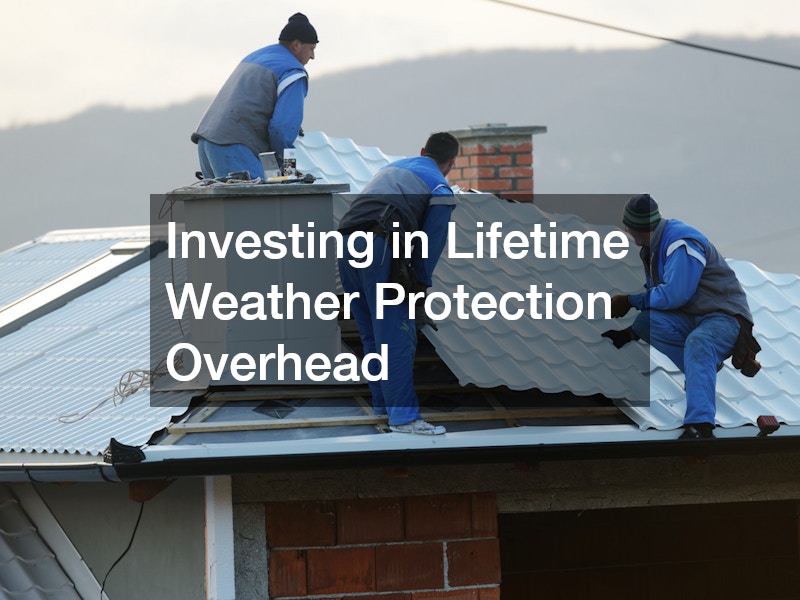
The roof is your home’s primary defense against the elements, enduring sunlight, rain, snow, and high winds. Traditional asphalt shingles are popular for their low cost but need replacing every fifteen to twenty years. As they degrade, shingles lose granules, become brittle, and curl, exposing the underlayment to water which can rot the plywood deck and rafters.
Upgrading to lifetime roofing materials like slate, clay tile, or high-grade metal enhances structural longevity. These options last fifty to one hundred years with little maintenance, efficiently shedding snow, reflecting solar radiation, and withstanding winds over one hundred miles per hour without damage.
Sourcing materials from reputable metal roofing suppliers ensures high-tensile, corrosion-resistant panels with advanced coatings, integral to a premium roofing system.
- Heavy-gauge standing seam panels that conceal fasteners beneath the surface, removing the risk of leaks around exposed screws.
- High-temperature, self-adhering ice and water shields applied directly to the roof deck along eaves, valleys, and penetrations.
- Aluzinc or specialized PVDF resin coatings that resist chalking, fading, and rust caused by acid rain and intense ultraviolet light.
- Integrated continuous ridge and soffit ventilation systems that allow heat and moisture to escape the attic space naturally.
Investing in a premium, long-lasting roof eliminates the cycle of frequent reroofing and protects the entire structure beneath it from water damage.
Sealing the Perimeter Against Thermal Loss and Pest Infiltration
The roof protects your home from above, while the exterior walls guard against lateral weather. Siding enhances curb appeal and acts as a barrier, shedding water, preventing moisture from entering wall cavities, and deterring pests. Damaged siding allows water to infiltrate wall studs, damaging insulation and creating a mold-friendly environment.
Upgrading exterior cladding involves choosing materials like fiber cement, cellular PVC, or treated engineered wood for durability. These composites mimic wood appearance, resist rot, termite damage, and fire. They maintain structural integrity through temperature changes, extending paint and finish lifespan, and reducing maintenance frequency.
The performance of premium cladding depends on expert installation, making it crucial to hire experienced siding contractors to maintain warranties and ensure long-term protection. Certified professionals concentrate on installation details that others might overlook:
- Installing a high-quality, breathable house wrap or integrated weather-resistant barrier system to allow interior moisture vapor to escape while blocking liquid water from entering.
- Creating a dedicated rain-screen gap behind the cladding, which allows any water that passes the outer shell to drain away safely and facilitates rapid air drying.
- Applying industrial-grade flashing over all windows, doors, and material transitions to redirect water outward and away from wall framing.
- Using corrosion-resistant stainless steel or hot-dipped galvanized fasteners driven directly into structural wall studs at exact depth intervals.
A properly sealed and cladded exterior creates a highly durable outer shell that shields your home’s framing from rot and decay.
Eliminating Thermal Bridges and Regulating Indoor Humidity
Beyond the exterior, the interior of your walls and attic requires careful management to ensure longevity. Poor climate control can lead to heat and humidity buildup in attics and walls, causing roof decks to sag, ceiling drywall to mold, and wooden framing to expand and contract unevenly, weakening structural joints.
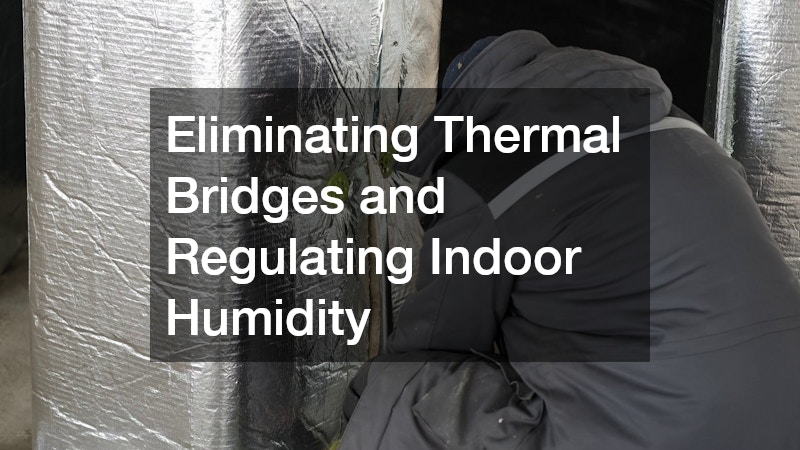
Poor thermal performance forces heating and cooling systems to run constantly, increasing wear and energy bills. Thermal bridging occurs when heat passes directly through elements like wood studs, bypassing insulation. Your home’s insulation should be a continuous, unbroken barrier between the living space and the outside.
Professional insulation services can upgrade outdated materials to modern alternatives like spray foam or dense-pack cellulose, providing long-term benefits for your home’s health:
- Creating a true airtight seal that stops conditioned indoor air from escaping and prevents humid outdoor air from infiltrating wall cavities.
- Providing a high R-value per inch, which significantly reduces the energy required to maintain comfortable indoor temperatures throughout the year.
- Preventing condensation from forming on the underside of roof decks during freezing winter months, eliminating ice dam risks.
- Dampening exterior noise transmission, creating a quiet, peaceful interior environment while adding structural rigidity to wall assemblies.
Optimizing your home’s thermal boundary protects the internal wood frame from humidity cycles and extends the operating lifespan of your expensive HVAC equipment.
Modernizing Hidden Waste and Supply Lines to Prevent Catastrophic Leaks
Among a home’s hidden systems, plumbing poses the highest risk of sudden, catastrophic damage. Older properties often use galvanized iron, polybutylene, or aging copper pipes. Galvanized pipes corrode from the inside, restricting water flow and eventually rusting through, while early plastics can suddenly split under pressure. An undetected pinhole leak inside a wall can release hundreds of gallons of water into the framing, causing widespread rot and structural damage.
Modernizing your home’s plumbing involves replacing failing materials with flexible, high-density polyethylene cross-linked pipe, known as PEX, or durable polyvinyl chloride for waste lines. PEX is highly resistant to scale buildup, does not corrode, and can expand if water freezes inside, reducing the likelihood of bursting in extreme cold.
For a whole-house repipe, using certified plumbing services ensures the new system is engineered for reliability and safety. Experienced technicians introduce modern safety features to prevent future water damage:
- Installing a centralized manifold system that routes dedicated, continuous lines directly to each fixture, minimizing the number of hidden fittings inside walls.
- Setting up smart, automated shut-off valves connected to moisture sensors that instantly isolate the main water supply if a leak is detected anywhere in the house.
- Mounting water pressure regulators to shield appliances and pipe joints from sudden municipal pressure surges that cause water hammer and joint fatigue.
- Upgrading cast iron and clay waste stacks to heavy-wall PVC schedule forty piping to ensure smooth drainage and prevent root intrusion.
By completely renewing your hidden fluid systems, you remove one of the greatest threats to your home’s structural integrity.
Layout Optimization and Moisture-Resistant Material Selections
Once the structural shell and mechanical systems are secure, interior updates can proceed confidently. The kitchen and bathroom endure constant moisture, heat, cleaning agents, and daily foot traffic. Materials like particleboard cabinetry, laminate countertops, and low-grade vinyl deteriorate quickly, leading to swelling, water damage to subfloors, and frequent replacements.
For kitchen remodeling, focus on durable materials and efficient layout to prevent structural stress. Opt for cabinets made from solid hardwood or marine-grade plywood, instead of particleboard, which absorbs water and collapses. Use non-porous countertops like quartz or quartzite, which resist cracking, staining, and heat damage.
Ensure the floor can handle impact and moisture without shifting. Certified floor installations ensure the subfloor is prepared, level, and strong enough for heavy stone countertops and appliances. Durable flooring options include:
- Large-format porcelain tiles installed with modified thin-set mortars and flexible, stain-resistant epoxy grouts that never require resealing.
- Engineered hardwoods with a thick wear layer and a cross-ply waterproof core that resists cupping when exposed to minor spills.
- Natural stone planks properly sealed with penetrating fluoropolymer sealers to protect against staining and wear.
- Underlayment membranes that isolate movement, preventing small shifts in the subfloor from cracking the surface tiles above.
Combining robust cabinetry with expertly installed, heavy-duty flooring creates an interior space that handles heavy daily traffic while protecting the joists below.
Creating Waterproof Wet Rooms and Wet-Area Longevity
Bathrooms contain water, so waterproofing is crucial for structural health. Traditional tile installations with standard drywall often fail within ten to fifteen years because water vapor penetrates grout lines, damaging the backing and wooden studs.
Ensuring long-term durability requires a modern wet room system using cementitious backer boards or extruded polystyrene foam boards, which are completely waterproof. Sealing all seams, fastener heads, and corners with waterproof ribbons and membranes creates a seamless structure before applying tiles.
Bathroom renovations with advanced waterproofing should include high-quality fixtures to reduce water escape. Upgrading to a frameless shower door is essential, as these glass systems prevent structural decay better than older framed units with aluminum channels.
- Thick, tempered safety glass panels hung from solid brass hardware anchored directly into structural wall blocking, eliminating sagging.
- The complete elimination of metal tracking systems where stagnant water, soap scum, and mold can accumulate and degrade surrounding sealants.
- Precision-engineered clear polycarbonate sweep seals and drip edges that channel water back onto the sloped shower pan floor.
- A clean, open design that allows for effortless wiping and rapid air drying, significantly reducing humidity levels in the wider room.
By sealing wet areas completely and installing high-performance glass enclosures, you eliminate the risk of hidden moisture rot, ensuring the bathroom remains beautiful and structurally sound for decades.
Maximizing your home’s longevity is an investment in peace of mind, safety, and financial security. By prioritizing structural upgrades over cosmetic changes, you protect your property from environmental degradation and mechanical failure. Stabilizing the earth, fortifying weather shields, modernizing utilities, or selecting robust materials for high-use spaces, every proactive step builds a more resilient home.
Sustainability is in components that don’t need replacing every decade. Invest in premium materials and professional execution to break the cycle of constant repairs. This core-first approach ensures your home remains a safe, efficient, and stable sanctuary for your family and future generations.