Hiring a pest control service can be daunting for newcomers. This guide covers what to anticipate, key questions, and tips for selecting the best service.
Understanding pest control is vital for informed decisions about service types, credential verification, and expectations during inspections and treatments.
How Do I Choose the Right Pest Control Service?
Understanding Different Types of Pest Control Services
Pest control services differ, offering solutions for various pest issues. Some focus on residential pests like ants and termites, while others address commercial challenges. Identifying the right service ensures effective solutions and prevents future infestations.
Checking Credentials and Licenses
Verifying credentials and licenses is crucial in selecting a reputable pest control service. Licensed providers comply with regulations and employ trained personnel, assuring professional standards.
Reading Reviews and Testimonials
Customer reviews and testimonials offer insights into past client experiences. Negative feedback should raise concern. Pay attention to themes like timeliness, professionalism, and effectiveness.
Comparing Prices and Services Offered
Comparing prices and services ensures value for your investment. Match offerings with needs, balancing cost against service quality. Obtain detailed price quotes and ask about additional costs to avoid surprises.
What Should I Expect During a Pest Control Inspection?
The Initial Consultation Process
The initial consultation allows you to discuss concerns and ask questions. A representative will assess your property, provide preventative advice, and recommend treatment options, establishing effective management from the start.
Key Areas of Focus During Inspection
Technicians focus on areas like kitchens and basements. Outdoor areas and entry points are checked. Early detection significantly impacts management costs and effectiveness.
Discussion of Pest Control Strategies
Post-inspection, tailored strategies address identified problems with possible chemical or physical methods. Understanding strategies empowers informed decisions, including eco-friendly options.
Explanation of Treatment Plans and Options
Providers offer plans tailored to issues. Explanations cover methods, frequency, and results, helping you choose an appropriate plan aligned with your goals and budget.
Receiving an Estimate and Timeline
You’ll receive a detailed estimate and timeline after discussing strategies. This outlines costs, treatment steps, and timeframes, preventing surprises and aiding planning.
What Are the Different Types of Pest Control Solutions?
Chemical Pest Control Methods
Chemical methods use synthetic substances for quick results. Consider risks like environmental impact and effects on non-target species. Professional applicators adhere to safety guidelines, suited for severe infestations.
Biological Pest Control Solutions
Biological control uses natural predators or pathogens for eco-friendly management. Though results may take time, this option minimizes ecosystem risks and aligns with environmental ethics.
Mechanical Pest Control Techniques
Mechanical techniques, such as traps and barriers, prevent pests physically. Effective for minor infestations, they complement integrated pest management strategies, maintaining ecological balance.
Environmental Pest Control Approaches
Environmental control alters conditions to deter pests, reducing chemical use and health risks. Integrating technological advancements enhances these controls, offering sustainable management practices.
Integrated Pest Management Strategies
Integrated management combines methods for sustainable control, emphasizing monitoring and precision. Effective for prevention, these strategies can enhance crop productivity while safeguarding ecosystems.
How Often Do I Need Pest Control Services?
Factors Affecting Pest Control Frequency
Service frequency depends on pest type, infestation severity, and location. Tailored schedules ensure timely interventions and prevent reinfestations.
Signs Your Property Needs Immediate Attention
Recognize urgent signs like visible pests, damage, or odors. Prompt action prevents extensive damage and health risks.
Regular Maintenance vs. As-Needed Services
Choose between regular maintenance and as-needed services for isolated issues. Evaluate risks and benefits to decide on an effective service structure. A hybrid approach can combine strengths of both strategies.
Seasonal Pest Control Considerations and Long-Term Pest Prevention Plans
Seasonal pest activity varies, demanding adjusted treatment frequency and methods. Recognizing patterns allows proactive scheduling, ensuring effectiveness. Long-term plans combine maintenance and monitoring for pest-free conditions.
Factors Influencing Pest Control Costs
Costs vary with infestation severity, property size, and treatment type. Customizing services balances cost with effective management, aiding budget planning. Obtaining quotes from multiple service providers ensures value.
Understanding Price Quotes and Estimates
Price quotes provide financial insights into services. Transparency prevents surprises, aiding informed decisions aligning service scope with budget.
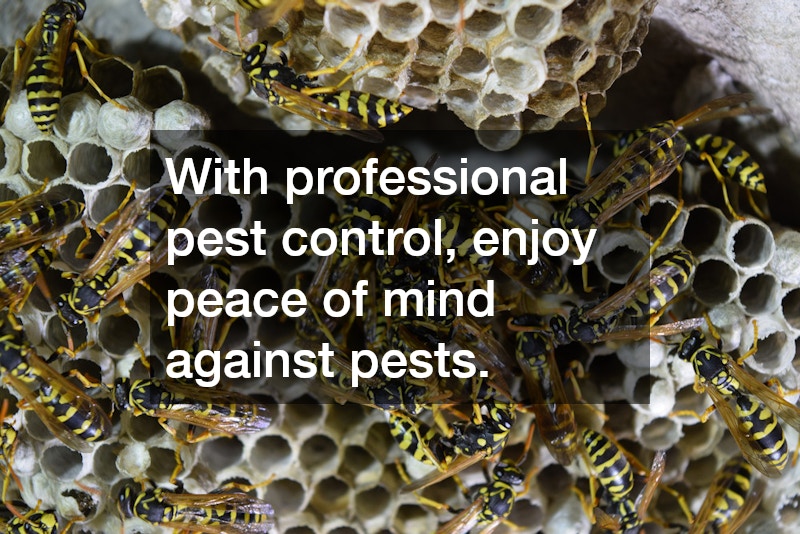
Understanding expectations aids informed decisions. Evaluate offerings, reputation, and methods for protection. Consider cost, quality, and environmental impact to select the best provider. With professional pest control, enjoy peace of mind against pests.