

Designing a home that truly fits your lifestyle requires far more than selecting finishes or following popular design trends. It involves a deliberate process of evaluating how you live, how your needs may change, and how your home can support those transitions without constant renovation or frustration. A thoughtfully planned home becomes a functional partner in daily life, offering convenience, comfort, and flexibility rather than obstacles.
Lifestyle-driven planning helps homeowners avoid the common pitfall of designing spaces that look appealing but fail to function well in practice. Each room, pathway, and system should serve a clear purpose while contributing to a cohesive whole. Taking time upfront to align design decisions with routines, habits, and priorities reduces the likelihood of future compromises.
The sections below walk through key planning considerations that shape a home around real-world living. Each step builds on the last, reinforcing how interconnected design decisions influence long-term satisfaction and usability.
Planning Functional Surfaces From the Ground Up
Floor surfaces form the literal foundation of everyday living. Beyond visual appeal, they affect noise levels, comfort, durability, and even how rooms feel emotionally. Early planning for flooring installation allows homeowners to evaluate how each space will be used and how materials will perform under daily conditions.
Lifestyle patterns matter greatly here. Entryways and main living spaces endure constant movement, while bedrooms and private areas benefit from quieter, softer materials. Kitchens and utility spaces require surfaces that handle moisture and frequent cleaning without degradation. Addressing these needs at the planning stage ensures the flooring works with the home rather than against it.
Transitions between rooms also deserve careful attention. Smooth, intentional transitions improve accessibility and prevent visual disruption. When flooring choices are coordinated with wall finishes, cabinetry, and architectural features, the entire home feels balanced and cohesive rather than segmented.
Beyond durability and appearance, surface planning should account for how movement flows through the home throughout the day. Hallways, transitional spaces, and gathering areas experience different traffic patterns than private rooms, and these patterns influence comfort and acoustics. Thoughtful surface selection can reduce noise transfer, improve safety, and make everyday tasks feel easier. Considering how shoes, pets, furniture, and cleaning routines interact with surfaces helps prevent premature wear and frustration. Planning with these real-life factors in mind leads to spaces that remain practical long after move-in.
Another often overlooked aspect is how surfaces impact accessibility and aging in place. Subtle elevation changes, overly slick finishes, or inconsistent transitions can become obstacles over time. Designing with long-term mobility in mind helps ensure the home remains usable as needs evolve. Coordinating surface decisions with lighting placement and furniture layout also enhances visibility and flow. When surface planning supports both present and future use, the home becomes more resilient and adaptable.
Incorporating Wellness Features Into the Home
Homes increasingly serve as personal retreats, making wellness-focused features an important part of design planning. Elements such as saunas contribute to relaxation and stress management when thoughtfully incorporated into the layout. Planning these spaces early ensures they enhance daily routines rather than disrupt them.
Placement plays a critical role in usability. Wellness areas should feel private yet accessible, with proper ventilation and adjacent support spaces where needed. When designed intentionally, these features become part of regular self-care habits instead of occasional indulgences.
Wellness planning also considers longevity. Homes designed with mental and physical well-being in mind adapt more gracefully to changing health needs over time. Integrating these spaces early supports comfort, resilience, and quality of life.
Wellness-oriented spaces benefit from thoughtful separation from high-activity zones. Locating restorative areas away from noise, heavy foot traffic, and visual distractions allows them to function as true retreats. Sound insulation, natural lighting, and calming materials all contribute to an atmosphere that supports relaxation and recovery. These details elevate wellness spaces from novelty features into meaningful components of daily life.
It is also important to consider how wellness features integrate with existing routines. When access is convenient and the environment feels inviting, these spaces are more likely to be used consistently. Designing adjacent storage, seating, or transition zones further improves usability. Over time, these design decisions encourage healthier habits and create a home environment that actively supports well-being rather than simply accommodating it.
Coordinating Structural and Exterior Needs

Structural planning shapes both interior comfort and exterior performance. Early collaboration with roofers allows homeowners to align structural elements with design goals while addressing long-term durability. Rooflines, drainage, insulation, and ventilation all influence how a home performs in different seasons.
Exterior systems should not be treated as separate from interior planning. Decisions about roof design affect ceiling heights, attic usability, and energy efficiency. Coordinating these elements reduces conflicts between systems and improves overall performance.
When exterior planning reflects lifestyle needs, the home remains comfortable, resilient, and visually cohesive. This approach also minimizes future disruptions caused by weather-related issues or system incompatibilities.
Structural planning should consider not only current design goals but also future expansion or modification. Anticipating potential additions, layout changes, or system upgrades helps prevent conflicts later. Aligning structural elements early creates flexibility that supports evolving household needs without extensive disruption.
Exterior coordination also affects energy efficiency and comfort. Proper alignment between structural components and insulation strategies improves temperature regulation and reduces strain on interior systems. When exterior and interior planning work together, the home performs more consistently across seasons. This integrated approach enhances durability while maintaining design cohesion.
Designing for Ongoing Upkeep and Support
A well-designed home considers not only how it looks on move-in day but how it functions years later. Incorporating layouts that support a home cleaning service ensures maintenance remains manageable without interrupting daily life. Smart planning reduces hard-to-reach areas and unnecessary obstacles.
Maintenance-friendly design includes thoughtful storage solutions, durable finishes, and logical circulation paths. These features simplify upkeep and reduce stress, especially in busy households.
Homes that are easier to maintain tend to stay organized and inviting over time. Planning for upkeep from the start helps protect both comfort and long-term value.
Homes that are easy to maintain contribute significantly to long-term satisfaction. Layouts that minimize clutter-prone zones, awkward corners, and inaccessible areas reduce daily effort and stress. Strategic placement of storage, utility access points, and service areas simplifies upkeep and keeps the home functioning smoothly.
Maintenance-conscious design also supports longevity. Materials and layouts chosen with durability in mind reduce wear and extend the lifespan of finishes and systems. When upkeep is manageable, homeowners are more likely to maintain consistent care, preserving both comfort and appearance. This proactive approach prevents minor issues from escalating into major disruptions.
Balancing Security and Accessibility

Exterior access plays a key role in daily convenience and safety. Features such as driveway gates installations offer controlled entry while contributing to curb appeal when integrated thoughtfully. Their placement should reflect traffic flow, visibility, and ease of use.
Lifestyle considerations influence access planning. Families, frequent visitors, deliveries, and service providers all interact with entry points differently. Designing these features early ensures smooth movement without sacrificing privacy.
When security elements are integrated seamlessly into the property design, they enhance functionality without feeling restrictive. The result is a home that feels both welcoming and protected.
Security planning should enhance daily convenience rather than complicate it. Clear sightlines, intuitive access points, and well-defined boundaries improve both safety and ease of use. When entry systems are thoughtfully integrated, they support smooth arrivals and departures without creating bottlenecks or confusion.
Accessibility plays an equally important role. Designing entry points that accommodate guests, deliveries, and emergency access ensures the home remains functional in a variety of situations. When security features align with movement patterns and visibility, they enhance peace of mind while maintaining a welcoming environment.
Anticipating System Support and Flexibility
Behind-the-scenes systems deserve just as much planning as visible features. Designing for accessibility when it comes to plumbing repair services helps minimize disruption during maintenance or unexpected issues. Clear access points and logical layouts make system support more efficient.
Flexibility is a key principle here. Homes evolve, and systems should be able to adapt without requiring major reconstruction. Planning for access, shut-off points, and future upgrades ensures long-term reliability.
When mechanical systems are thoughtfully integrated, they support daily living quietly and efficiently. This foresight protects both comfort and structural integrity.
Designing with system access in mind reduces stress when maintenance or updates are required. Clear pathways to mechanical components and organized layouts allow issues to be addressed quickly and efficiently. This foresight minimizes disruption and helps preserve the integrity of surrounding finishes.
Flexibility is also essential for adapting to new technologies. Systems designed with future upgrades in mind can accommodate changes without requiring extensive reconstruction. This adaptability supports long-term value and keeps the home responsive to evolving standards and needs.
Enhancing Comfort Through Light Control

Light management significantly affects comfort, mood, and energy use. Planning for interior window shutters allows homeowners to control sunlight, privacy, and temperature while complementing interior aesthetics. These features also contribute to consistency across living spaces.
Different rooms require different lighting strategies. Living areas benefit from adjustable light control, while bedrooms often prioritize darkness and privacy. Coordinating treatments across the home creates visual harmony and functional consistency.
When light control features are planned early, they integrate cleanly with trim, wall finishes, and architectural details, enhancing both comfort and design cohesion.
Light control strategies influence both mood and energy use throughout the home. Thoughtful planning balances natural light with privacy and glare reduction, creating comfortable environments for work, rest, and socializing. Adjustability allows spaces to adapt to different times of day and seasonal changes.
Consistency across rooms also matters. When light control elements are coordinated, the home feels cohesive rather than fragmented. These decisions contribute to visual harmony while supporting practical needs. Over time, effective light management improves comfort and reduces reliance on artificial lighting.
Protecting and Preserving Exterior Surfaces
Exterior surfaces endure constant exposure to weather and use. Planning for driveway sealcoating protects these surfaces and extends their lifespan. Proper slope, drainage, and material preparation contribute to durability and performance.
Exterior planning should account for long-term wear rather than short-term appearance. Coordinated design decisions reduce maintenance needs and preserve curb appeal over time.
Protecting exterior surfaces supports both functionality and property value. Thoughtful planning prevents premature deterioration and avoids repeated disruptions.
Exterior surfaces endure constant exposure to environmental stressors, making proactive planning essential. Proper grading, drainage, and material preparation protect surfaces from premature deterioration. These considerations reduce long-term maintenance demands and preserve functionality.
Preservation strategies also support visual appeal. When exterior surfaces age evenly and remain intact, they enhance curb presence and overall property perception. Thoughtful planning prevents recurring repairs and ensures outdoor areas remain usable and attractive over time.
Maintaining Seamless Indoor-Outdoor Transitions
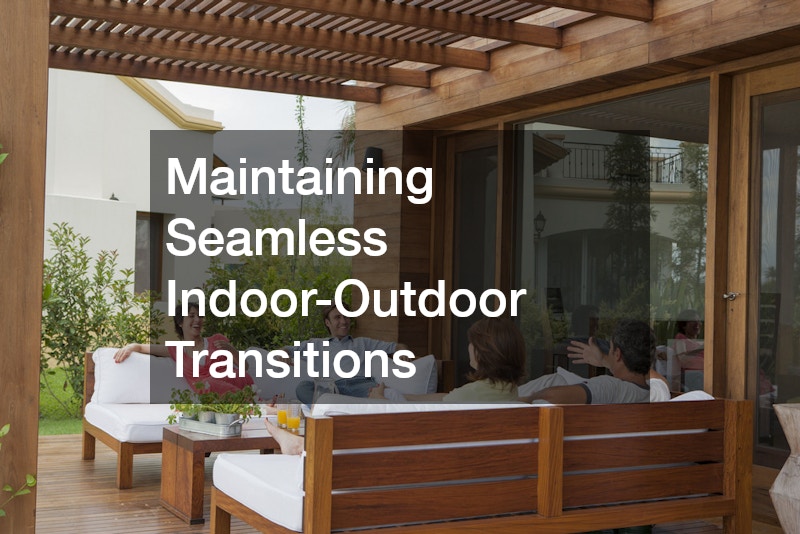
Connections between indoor and outdoor spaces shape how a home is experienced. Planning for patio door repair during design ensures proper sealing, alignment, and ease of use. These transitions influence comfort throughout the year. Door placement should support natural movement patterns and encourage the use of outdoor spaces. Weather exposure, traffic flow, and accessibility all factor into effective design. Well-planned transitions strengthen the relationship between indoor and outdoor living, enhancing usability and enjoyment across seasons.
Ensuring Healthy and Reliable Utilities
Utility planning is fundamental to daily comfort and health. Designing for drinking water systems ensures reliable access to clean water throughout the home. Early integration allows these systems to align with kitchens, bathrooms, and utility areas without visual disruption.
Accessibility and efficiency are key considerations. Proper placement supports maintenance while maintaining aesthetic balance. Thoughtful planning ensures consistent performance without sacrificing design.
Reliable utilities contribute to peace of mind and long-term functionality. Integrating them into the planning process strengthens the home’s overall performance.
Designing a home that truly fits your lifestyle is an intentional process that extends far beyond surface-level decisions. By planning each element with daily routines, long-term needs, and system coordination in mind, homeowners can create spaces that feel intuitive, comfortable, and adaptable. Thoughtful planning reduces stress, prevents costly adjustments, and ensures each part of the home supports how it is actually lived in.
When design decisions are guided by lifestyle rather than trends, the home becomes a responsive environment that grows with its occupants. This approach leads to lasting satisfaction, improved functionality, and a sense of harmony that enhances everyday life.