Maintaining healthy pipes requires attention to clogs and buildup, and the methods you choose can impact the longevity of your plumbing system. With many options available, it is important to understand which practices support safe, long-term performance. This article compares professional drain cleaning services to chemical cleaners, exploring their effects on pipes, safety, and overall effectiveness to help homeowners make informed decisions.
How Do Drain Cleaning Services Work?
Overview of Professional Services
Professional drain cleaning services provide an expert approach to clearing clogged pipes, addressing issues beyond the reach of typical DIY solutions. Trained technicians understand the intricacies of plumbing systems and handle clogs efficiently while minimizing the risk of pipe damage.
This expertise is particularly valuable for households with recurrent blockages, where chemical cleaners may offer only temporary relief. Choosing professional services gives homeowners confidence that their plumbing is being cared for properly.
Equipment and Techniques Used
Technicians use advanced tools and methods tailored to each drainage system. Hydro-jetting, which employs high-pressure water, clears stubborn clogs and cleans pipe interiors without chemicals. Video inspection technology allows precise diagnosis of problems, while snake augers and rotary tools mechanically remove debris. These approaches address the root cause of blockages while protecting the integrity of your plumbing. By using these methods, professionals often uncover hidden issues, such as early pipe corrosion or weak joints, before they escalate.
Benefits of Hiring Professionals
The advantages of professional drain cleaning extend beyond unclogging drains. Technicians identify potential issues before they escalate, preserving pipe health and reducing long-term repair costs. Many methods are environmentally friendly, minimizing chemical use and its impact on waterways. Overall, professional services offer lasting results, pipe protection, and responsible maintenance practices that often outweigh initial costs. Professional inspections also provide homeowners with a detailed understanding of their plumbing system’s overall condition, supporting better maintenance decisions.
What Are the Effects of Chemical Cleaners on Pipes?
Types of Chemical Cleaners
Chemical cleaners are widely available and provide quick relief for minor clogs. They are usually caustic, oxidizing, or acidic, dissolving hair, grease, and soap buildup. While convenient, their potency carries potential risks. Improper or frequent use can weaken pipe materials and shorten the lifespan of plumbing systems. Homeowners may not realize that certain chemicals react differently depending on the pipe material, increasing the likelihood of damage.
Short-term and Long-term Effects
Chemicals may offer immediate results for small blockages, but repeated exposure can erode metal or older pipes over time, leading to leaks and costly repairs. For many homes, this gradual damage outweighs the convenience of a quick chemical fix. Even plastic pipes can be compromised by repeated chemical exposure, which may cause brittleness or cracking over time.
Environmental and Safety Concerns
Chemical cleaners may also pose environmental and safety hazards. Substances like sodium hydroxide or sulfuric acid can be toxic to aquatic life when washed into water systems. Fumes can irritate skin and respiratory systems, especially in poorly ventilated areas. Sustainable alternatives, such as professional mechanical cleaning, reduce these risks while effectively maintaining plumbing health. Proper disposal of chemical cleaners can be complicated, and improper handling may result in accidental exposure or environmental contamination.
How Do You Decide Which Option Is Safer?
Cost vs. Effectiveness
Chemical solutions appear cost-effective for minor clogs, but the hidden costs of pipe damage and environmental impact can exceed the initial savings. Professional drain services, while requiring a higher upfront investment, provide thorough, precise cleaning that preserves plumbing systems and prevents recurring issues. Over time, this approach often proves more economical and reliable. Evaluating the long-term benefits against short-term savings often reveals that professional services provide superior overall value.
Risk Assessment
Understanding potential hazards is critical. Professionals use techniques designed to avoid pipe damage, while chemical cleaners carry risks if misapplied. Recognizing when a clog requires expert attention helps homeowners prioritize safety and avoid unnecessary long-term costs. Assessing the severity of a blockage and the age or material of your pipes can help determine whether professional intervention is the safer option.
Recommendations
Professional drain cleaning services offer a comprehensive solution for household plumbing. While chemicals may provide temporary relief, the durability, safety, and environmental benefits of professional care make it the more responsible choice. Investing in professional expertise ensures both immediate and long-term pipe health while promoting sustainable practices. Homeowners who combine routine inspections with professional cleanings are more likely to avoid major plumbing emergencies.
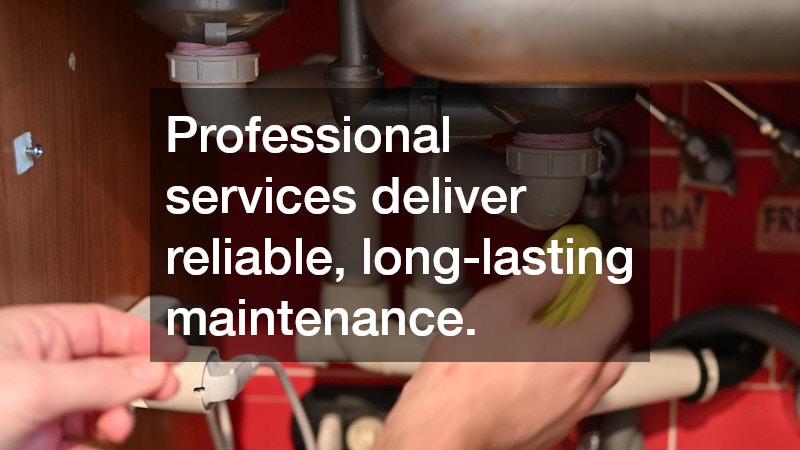
Choosing between professional drain cleaning and chemical solutions should be guided by their implications for pipe longevity, safety, and environmental impact. Chemicals may provide short-term results, but professional services deliver reliable, long-lasting maintenance. Prioritizing expert care supports healthy plumbing, reduces potential hazards, and fosters sustainable home practices. Ultimately, a professional drain cleaning service is a prudent investment in the safety, efficiency, and durability of your home’s plumbing system.