
As homeowners become increasingly conscious of sustainability, outdoor living spaces are evolving into eco-friendly extensions of the home. Backyards and patios in 2026 are not just for entertaining—they’re designed to conserve resources, support local ecosystems, and reduce environmental impact. From water-efficient landscaping to sustainable materials, modern green design trends blend style, comfort, and environmental responsibility.
A backyard designed with green principles can lower energy costs, reduce water consumption, and provide a healthier environment for both people and wildlife. Thoughtful placement of trees, shrubs, and patios, coupled with environmentally conscious materials and efficient irrigation, can transform an ordinary yard into a vibrant, sustainable retreat. This guide explores 11 green design trends for backyards and patios that homeowners can implement to create beautiful, functional, and environmentally friendly outdoor spaces.
1. Sustainable Patios and Decks
Patios and decks form the central hub of outdoor living, and their design can significantly influence environmental impact. Homeowners are increasingly opting for sustainable materials like composite decking, reclaimed wood, or responsibly harvested timber. These materials reduce the demand for new timber, provide long-lasting durability, and require minimal maintenance.
Engaging professional patio contractors ensures your space is thoughtfully designed to maximize comfort while minimizing environmental footprint. Experts can create layouts that incorporate permeable surfaces to improve rainwater absorption and reduce runoff. Sustainable patios often feature modular elements, making it easy to expand or reconfigure without creating waste. Beyond environmental benefits, well-designed patios enhance backyard usability, offering areas for dining, lounging, and hosting gatherings in comfort. By prioritizing eco-friendly materials and design, homeowners can enjoy a stylish patio that aligns with modern green living principles.
2. Eco-Friendly Landscaping
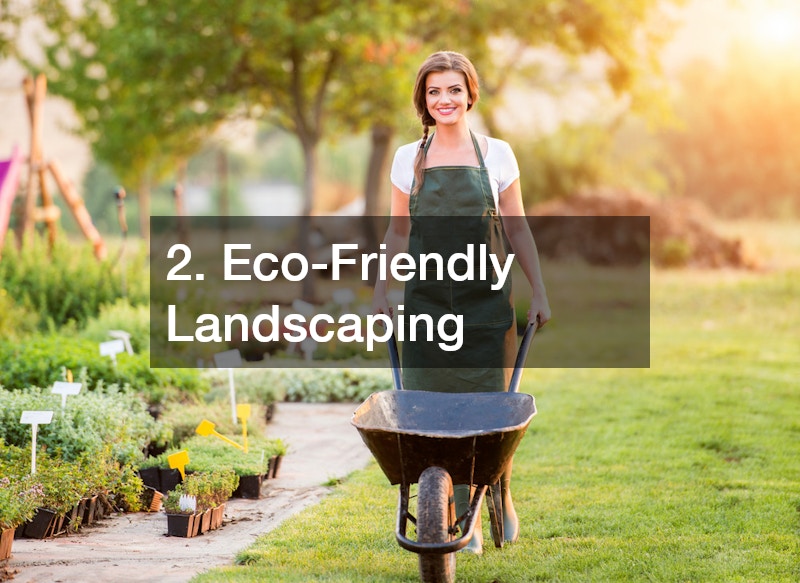
Landscaping is one of the most visible opportunities to implement green design principles. By selecting native and drought-tolerant plants, homeowners can significantly reduce water usage while maintaining lush, vibrant gardens. Thoughtful planting can also support local wildlife, including pollinators, birds, and beneficial insects.
A professional tree company can assist with selecting species that provide natural shade, improve air quality, and thrive in your local climate. Strategically positioned trees can reduce reliance on energy-intensive cooling systems by shading patios and windows. Eco-friendly landscaping practices may also include installing rain gardens, composting organic material, and creating layered planting schemes that reduce soil erosion and improve water retention. By combining professional guidance with sustainable planting choices, homeowners create a backyard that is not only visually appealing but also environmentally responsible and low-maintenance.
3. Outdoor Kitchens with Energy-Efficient Features
Outdoor kitchens remain a popular backyard trend, but green design takes them to the next level. Selecting energy-efficient appliances, gas grills with cleaner combustion, or induction cooktops can minimize energy consumption. Using recycled, low-emission, or locally sourced materials for countertops, cabinetry, and flooring further reduces the carbon footprint.
Professional outdoor kitchen designers can ensure that these kitchens are functional, durable, and environmentally responsible. Installing LED lighting, water-saving faucets, and composting options integrates sustainability without sacrificing convenience or style. Outdoor kitchens are also excellent for entertaining, allowing family and friends to gather in a comfortable space while keeping environmental impact low. By prioritizing green features, homeowners can enjoy culinary activities outdoors while contributing positively to energy conservation and sustainable design.
4. Eco-Friendly Hardscaping with Pavers
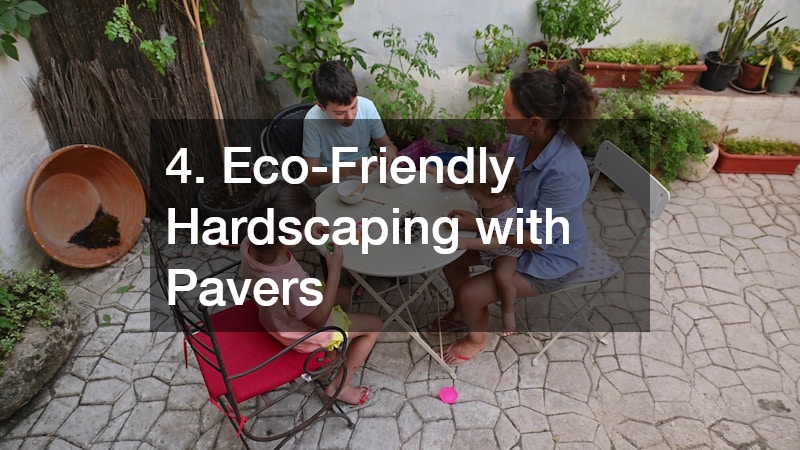
Hardscaping provides structure, defines pathways, and creates usable outdoor areas, but material choice makes a significant difference in environmental impact. Using pavers made from recycled materials or permeable stone allows water to drain naturally, reducing runoff and protecting soil health. Permeable pavers also prevent puddling and erosion while supporting plant growth nearby.
Hardscaping professionals can help create functional designs that integrate seamlessly with landscaping and patios. Eco-friendly pavers may include reclaimed concrete or sustainably produced clay, providing durability without compromising style. Incorporating green hardscaping principles ensures that walkways, patios, and seating areas are visually appealing, long-lasting, and environmentally responsible. By investing in sustainable hardscaping, homeowners achieve both aesthetic appeal and practical, eco-friendly benefits in their outdoor spaces.
5. Smart Irrigation and Lawn Care
Water conservation is essential for sustainable backyards. Modern lawn sprinkler systems with smart timers and moisture sensors ensure efficient watering. Automated sprinklers adjust based on rainfall, temperature, and soil conditions, preventing overwatering while maintaining healthy plants and turf.
Pairing smart irrigation with native and drought-resistant plants maximizes water efficiency. For example, xeriscaping—a landscaping method focused on low-water plants—reduces water usage while creating visually striking gardens. Integrating rain barrels or greywater systems into irrigation setups further minimizes dependency on municipal water. A backyard designed with efficient watering systems ensures lush greenery without waste, supporting sustainability while keeping maintenance manageable. Smart lawn care techniques can also extend the lifespan of your landscaping investment by preventing overwatering or drought stress on plants.
6. Natural Pest Management
Maintaining a healthy backyard often involves pest management, but traditional chemicals can harm the environment. Professional pest control service providers now offer eco-friendly solutions, such as integrated pest management (IPM), which emphasizes natural prevention methods and targeted treatments. IPM reduces chemical usage while keeping pests in check.
Eco-conscious pest control strategies may include companion planting, introducing beneficial insects, or using natural repellents. Choosing native plants that are naturally resistant to pests can also reduce the need for interventions. By combining professional guidance with sustainable practices, homeowners can maintain a vibrant, healthy backyard that minimizes environmental harm. Green pest control not only protects plants but also supports local ecosystems, creating a balanced and sustainable outdoor space.
7. Sustainable Cleaning and Maintenance
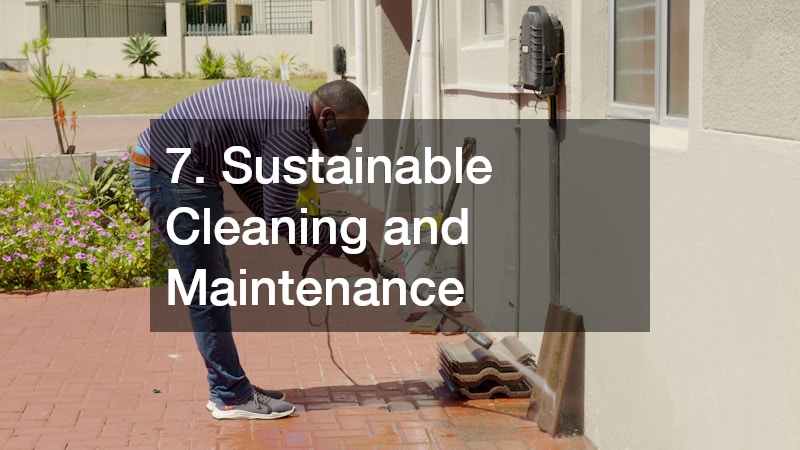
Outdoor spaces require regular cleaning to maintain safety and aesthetics. Using professional pressure washing services with eco-friendly methods ensures effective cleaning while minimizing water and chemical use. Modern pressure washing equipment allows targeted cleaning, reducing water consumption compared to traditional hose-based methods.
Sustainable pressure washing protects patios, hardscaping, and outdoor furniture from damage caused by algae, dirt, or moss buildup. Biodegradable detergents further reduce environmental impact while maintaining cleanliness. Regular maintenance also extends the lifespan of materials, reducing the need for replacements and lowering waste. Homeowners benefit from clean, safe, and visually appealing outdoor areas while adhering to green principles. By combining sustainable cleaning with quality materials, your backyard remains both functional and environmentally responsible.
8. Sustainable Fencing Solutions
Fencing is a fundamental element in backyard design, serving multiple purposes beyond just marking property lines. It provides privacy, enhances security, defines outdoor spaces, and contributes to the overall aesthetic appeal of the yard. Choosing the right type of fence is crucial for creating a backyard that is functional, attractive, and sustainable. Working with a professional wood fence company allows homeowners to select materials that are responsibly sourced or recycled, ensuring that fences are both long-lasting and environmentally friendly. High-quality wood, combined with expert installation, minimizes the need for frequent replacements, reducing waste and lowering the overall environmental footprint of the backyard.
Eco-friendly fencing can be seamlessly integrated with landscaping, patios, and other outdoor structures. For example, natural wood fences can complement garden beds, shade trees, and hardscaping elements, creating a cohesive and harmonious look. Protective finishes that are non-toxic and long-lasting help preserve the appearance of the wood without introducing harmful chemicals into the soil or surrounding plants. This ensures that fences remain attractive for years while maintaining environmental responsibility. Additionally, living fences or trellises with climbing plants can be incorporated into the design, further enhancing the greenery in your yard and supporting biodiversity. Vines, flowering plants, or shrubs trained along a fence can provide extra shade, soften visual lines, and attract pollinators, adding both beauty and ecological benefits.
9. Tree Care for Sustainability and Shade
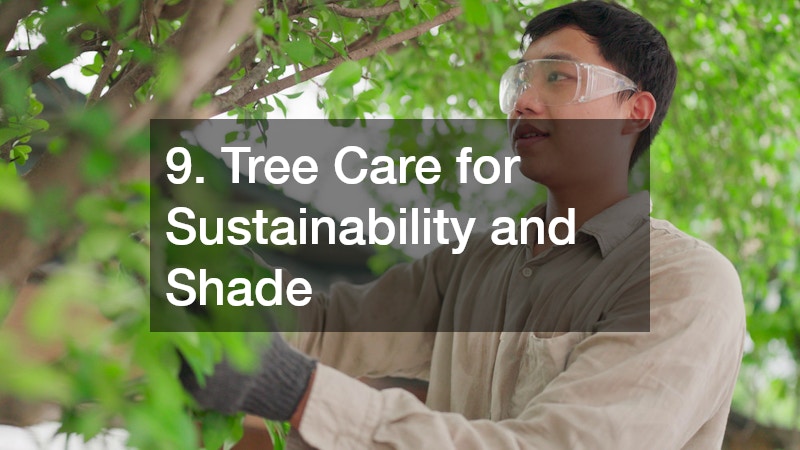
Trees are a cornerstone of sustainable backyard design, providing far more than aesthetic appeal. They create natural shade, improve air quality, reduce energy use, and enhance the overall comfort of outdoor spaces. Beyond these immediate benefits, trees play a crucial role in supporting soil health, preventing erosion, and regulating microclimates in your yard. Properly maintained trees can reduce heat absorption on patios and nearby outdoor living areas, creating cooler, more comfortable spaces during hot months while lowering reliance on energy-intensive cooling systems inside the home.
Professional tree company services are invaluable for ensuring that trees thrive and provide long-term environmental benefits. These experts guide homeowners on species selection, proper planting techniques, pruning schedules, and long-term care. They assess soil conditions, sunlight exposure, and water availability to recommend species that are both resilient and ecologically appropriate. Selecting native or climate-adapted trees increases survival rates, reduces water and maintenance requirements, and supports local biodiversity by providing habitat and food for birds, pollinators, and beneficial insects.
Strategic tree placement can transform the functionality of outdoor spaces. Shade trees positioned near patios, decks, or outdoor kitchens can create natural cooling, reducing the need for artificial shade structures. Trees planted along property lines or near driveways can serve as windbreaks, help manage runoff, and improve privacy. Professional tree companies also monitor the health of trees over time, ensuring they remain disease-free, structurally sound, and safe for the surrounding landscape.
10. Landscape Curbing for Eco-Friendly Structure
Landscape curbing is more than just a decorative feature—it is an essential component of a well-organized and sustainable backyard. By defining garden beds, walkways, and patios, curbing provides structure and helps guide the eye across outdoor spaces, creating a sense of order and intentional design. Choosing durable, recycled, or natural materials for curbing reduces environmental impact, minimizes resource consumption, and ensures that your investment lasts for years without frequent replacement. Materials such as reclaimed stone, recycled concrete, or sustainably sourced wood offer strength and resilience while supporting eco-friendly landscaping practices.
Working with professional landscape curbing installers ensures that the curbing is aligned precisely and integrated seamlessly with existing hardscaping, patios, and plantings. Professionals can customize curbing to match the style of your home and outdoor space, whether you prefer clean, straight lines, gentle curves, or decorative patterns. Well-designed curbing can also act as a natural barrier against weed encroachment, reduce soil runoff during heavy rain, and help retain mulch or decorative gravel within garden beds, keeping the yard tidy and well-maintained.
Eco-conscious landscape curbing can be combined with other sustainable outdoor elements, such as permeable walkways, rain gardens, or native plantings, to maximize environmental benefits. By thoughtfully planning and installing curbing, homeowners can create a backyard that is visually appealing, functional, and environmentally responsible. Investing in high-quality, green curbing enhances the overall aesthetic of the outdoor space while providing practical benefits like reduced maintenance, improved soil management, and long-term durability.
11. Green Outdoor Storage Solutions
Storage is often overlooked in backyard design, but eco-conscious solutions can maintain order and reduce environmental impact. Working with an outdoor shed builder allows homeowners to choose sustainable materials and designs that integrate with the landscape. Features like solar lighting, rainwater collection, and energy-efficient insulation further enhance sustainability.
Eco-friendly sheds protect tools and equipment while reducing waste and environmental strain. Properly placed storage structures also prevent interference with plant growth, drainage, or wildlife habitats. Thoughtful outdoor storage supports a neat, functional, and environmentally responsible backyard, making maintenance easier and allowing homeowners to enjoy their outdoor living spaces fully.
In 2026, green backyard and patio design is all about creating outdoor spaces that seamlessly combine functionality, style, and sustainability. Modern homeowners are no longer simply focused on aesthetics—they are prioritizing environmentally responsible choices that conserve resources, enhance comfort, and improve long-term usability. By incorporating green principles into every aspect of design, homeowners can craft outdoor spaces that are inviting, functional, and environmentally responsible.
Thoughtful material choices, such as reclaimed or recycled wood, permeable pavers, and energy-efficient appliances, reduce resource consumption while maintaining visual appeal. Smart irrigation systems, integrated pest management, and sustainable landscaping practices help maintain lush, healthy gardens without wasting water or harming local ecosystems. Even simple choices, like selecting native plants or planting shade trees, can have a profound effect on energy efficiency, biodiversity, and backyard comfort.
Ultimately, the green design trends of 2026 are about more than just looks—they are about creating outdoor spaces that foster wellness, connection, and environmental stewardship. Every feature, whether a shaded seating area, a well-curbed garden bed, or an eco-friendly outdoor kitchen, contributes to a backyard that is purposeful, resilient, and harmonious with nature. By embracing these trends, homeowners not only elevate their outdoor living spaces but also make choices that positively impact their communities, local ecosystems, and the planet as a whole. With dedication to thoughtful design, quality materials, and sustainable practices, your backyard or patio can become a true sanctuary—a space that reflects personal style, supports everyday living, and nurtures the environment for generations to come.