
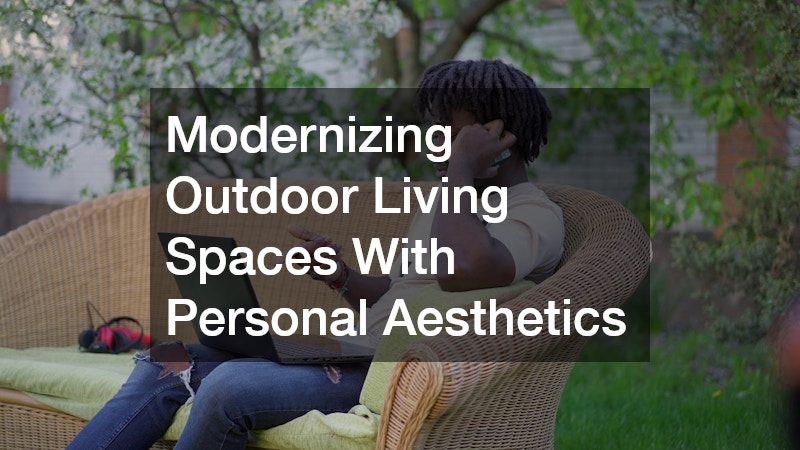
The traditional concept of a backyard has undergone a profound transformation. Where outdoor areas were once treated as secondary exterior zones—consisting of little more than a patch of grass, a standalone grill, and basic patio furniture—today’s homeowners view their landscapes as direct extensions of their interior floor plans. Modernizing an outdoor living space is no longer just about routine maintenance; it is an exercise in intentional architectural design, spatial curation, and personal expression. Whether your aesthetic aligns with the crisp minimalism of Scandinavian architecture, the warm textures of modern rustic retreats, or the relaxed elegance of coastal boho designs, your exterior environment should echo the form, function, and comfort found inside your home.
Translating a personal interior aesthetic into the open air requires a balance between hard structures, living botanical layers, microclimate controls, and underlying infrastructure. Achieving this balance involves looking beyond off-the-shelf garden decor and taking a holistic approach to spatial planning. By evaluating how light, movement, privacy, and utility interact across your footprint, you can construct an exterior environment that feels both custom and functional. This guide explores the essential phases of building a modern outdoor sanctuary—from establishing structural foundations and custom outbuildings to integrating ambient power, curated flora, and tailored green spaces that stand the test of time.
Paving Groundwork and Framing Architectural Privacy

The foundation of any elevated outdoor living room begins at ground level. Just as interior design relies on hardwood or tile to establish spatial tone, modern landscape architecture depends on high-performance hardscaping to define functional zones. A featureless lawn can leave an outdoor area feeling adrift, whereas defined hardscape anchors establish clear transitions between dining zones, lounge spaces, and culinary stations.
When establishing the base for your outdoor space, material choice must harmonize with your home’s architectural facade while providing long-term structural integrity:
- Stained and Stamped Concrete: Offers exceptional versatility, allowing you to mimic natural stone, slate, or large-format geometric tiles. Brushed or hand-troweled finishes yield a crisp aesthetic that handles heavy foot traffic with ease.
- Large-Format Porcelain Pavers: Impervious to frost and stains, these sleek slabs create seamless visual continuity when paired with modern sliding glass doors.
- Natural Flagstone and Travertine: Ideal for organic or warm-modern designs, providing tactile texture underfoot while keeping surface temperatures cool in direct sunlight.
Executing a flawless installation demands precision engineering, particularly regarding subsurface grading and drainage. Partnering with a skilled concrete patio contractor ensures that slope ratios, expansion joints, and base layers are executed correctly, preventing settling, pooling water, or premature cracking over time.
Once ground-level hardscapes are anchored, vertical elements must be introduced to frame the space and establish architectural intimacy. Privacy is a paramount consideration in modern outdoor design; without defined boundaries, even a luxurious patio can feel exposed to neighboring properties and street noise. Modern boundary design moves away from traditional barrier choices in favor of slatted privacy walls, dark-stained cedar panels, or integrated composite partitions.
- Horizontal Slat Configurations: Using narrow timber or composite slats with slight gaps fosters a light environment while maintaining visual privacy and breeze circulation.
- Integrated Planter Walls: Combining timber or stone boundaries with raised garden beds softens structural lines with cascading greenery.
- Mixed-Material Paneling: Interspersing matte black metal frames with natural wood tones creates a sleek border.
Achieving structural alignment across uneven topography while adhering to setback requirements requires specialized expertise. Working alongside a professional fence contractor allows you to choose weather-resistant materials and secure deep post footings, ensuring your custom perimeter remains square, stable, and visually striking for decades.
Maximizing Property Utility with Custom Outbuildings

Modern outdoor living extends well beyond open-air patios and dining decks; it frequently incorporates functional, detached secondary structures that serve as lifestyle multipliers. As remote work, fitness, and hobbies reshape domestic life, detached outbuildings offer a valuable physical separation between work, play, and primary domestic routines. Rather than treating outbuildings as utilitarian afterthoughts, contemporary design integrates them as cohesive architectural features that mirror the primary residence’s rooflines, siding materials, and color palettes.
Designing a modern detached structure requires careful consideration of spatial flow, natural lighting, and climate management:
- Detached Home Offices and Studios: Floor-to-ceiling glass panels, natural wood claddings, and modern roof slopes transform simple exterior spaces into bright environments ideal for focus.
- Pool Houses and Entertainment Suites: Equipping outbuildings with wet bars, changing quarters, and lounge seating allows seamless indoor-outdoor hosting during warmer months.
- Modern Vehicle and Gear Vaults: Beyond parking, updated detached structures accommodate workshop spaces, car collections, and extensive recreational gear storage.
Constructing a substantial outbuilding demands adherence to regional building codes, deep footings, and load-bearing roof frame designs. Consulting seasoned garage builders guarantees that structural foundations, framing spans, and exterior cladding meet strict municipal safety standards while matching the architectural identity of your home.
Simultaneously, effective storage solutions are critical for maintaining the minimalist, clutter-free environment that defines modern outdoor design. Outdoor equipment, cushion storage, and seasonal gear require dedicated housing that does not compromise the visual integrity of your landscape. Standard prefabricated plastic sheds often clash with refined landscape aesthetics, making custom-designed solutions far more desirable.
- Custom Timber Enclosures: Matching the timber species and stain of your perimeter fencing creates visual unity across the entire yard.
- Integrated Living Roofs: Topping small storage structures with sedum or drought-tolerant groundcovers blends utility buildings directly into the surrounding softscape.
- Hidden Door Seamless Storage: Utilizing flush exterior doors with concealed hardware creates smooth, uninterrupted wall planes.
Hiring professional shed contractors allows homeowners to customize roof pitches, siding details, and entry points, ensuring storage structures integrate fluidly into the hardscape layout rather than standing out as uncoordinated additions.
Controlling Microclimates with Overhead Cover and Power
To fully enjoy an outdoor sanctuary throughout the year, homeowners must actively manage microclimate factors such as scorching sun, sudden rain showers, and evening temperature drops. Unprotected outdoor spaces are often left underutilized during peak summer heat or late autumn chills. By integrating sophisticated overhead architectural structures and smart heating technologies, you can transform seasonal spaces into reliable four-season living environments.
Overhead protection provides essential shade while defining distinct structural boundaries within open yards. Modern shelter solutions balance dynamic adjustability with architectural durability:
- Motorized Louvered Pergolas: Extruded aluminum pergolas featuring rotating ceiling louvers allow precise control over sunlight, airflow, and rain protection with the push of a button.
- Architectural Sail Shades: High-density polyethylene fabric sails anchored to heavy-duty steel posts introduce geometric visual interest while blocking intense ultraviolet rays.
- Retractable Fabric Canopies: Wall-mounted or standalone fabric systems offer flexible shade that can be fully retracted during overcast days to maximize natural light.
Choosing and anchoring the appropriate overhead system requires an understanding of wind loads and mounting physics. Scheduling a professional awning installation ensures that structural brackets are secured into structural wall studs or reinforced concrete footings, protecting your home’s envelope against wind uplift and water intrusion.
Once physical shelter is established, integrating power elevates comfort and functionality to match indoor living standards. Ambient warmth and convenient power distribution allow outdoor activities to continue comfortably well into late evenings and cooler seasons:
- Flush-Mounted Infrared Radiant Heaters: Emitting clean heat that warms objects directly rather than blowing hot air, these slim panels integrate neatly into pergola ceilings.
- All-Weather Audio and Media Systems: Marine-grade outdoor televisions and hidden landscape subwoofers deliver rich media experiences without deteriorating under outdoor exposure.
- Integrated Ceiling Fans and Misting Systems: Keep air circulating and ambient temperatures noticeably cooler during humid midsummer afternoons.
Powering high-draw appliances such as infrared heaters, outdoor kitchens, and motorized pergolas requires robust distribution. Hiring a licensed electrician ensures that all outdoor circuits are protected by ground-fault circuit interrupters, conduits are buried to proper depths, and main electrical panels are configured to safely handle continuous electrical loads.
Illuminating Canopy Features and Upgrading System Capacity
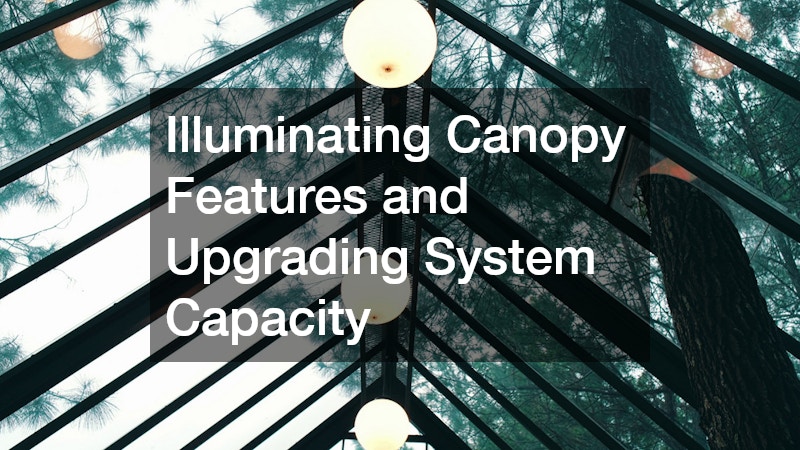
As twilight falls, exterior lighting transforms the landscape from a functional daylight area into an atmospheric nightscape. Thoughtful outdoor lighting does not rely on harsh floodlights; instead, it utilizes layered lighting techniques to emphasize texture, establish visual depth, and safely guide foot traffic across pathways and elevation changes. Lighting should highlight key architectural features, mature trees, and custom hardscapes without casting uninviting glare.
Designing an atmospheric lighting scheme involves balancing distinct functional layers:
- Task and Step Lighting: Low-profile LED fixtures installed under stair risers, coping stones, and outdoor kitchen countertops ensure safe navigation and prep work.
- Accent and Uplighting: Narrow-beam spotlights directed at mature tree trunks, textured stone walls, or outdoor sculptures create dramatic focal points against the dark background.
- Path and Area Lighting: Shielded, downward-facing fixtures along walkways illuminate ground surfaces softly without overwhelming the eyes.
Sustaining an expansive outdoor lighting design alongside modern high-amp amenities often demands greater power capacity than older residential homes natively provide. Upgrading your home’s main panel via a certified electrical service provider ensures that continuous voltage is delivered consistently, preventing breaker trips and eliminating flickering lights when high-draw fixtures switch on simultaneously.
Beyond low-voltage illumination, natural vertical elements—specifically mature trees—serve as the biological canopy of your outdoor room. Mature trees provide priceless natural shade, acoustic dampening, and essential visual grounding, but they also require proactive maintenance to preserve structural stability and maintain open sightlines across your property layout.
- Canopy Thinning and Elevating: Removing low-hanging or overlapping interior branches allows natural sunlight to filter down to underlying lawn turf and lower plantings.
- Deadwooding and Structural Pruning: Eliminating weak or decayed limbs mitigates wind resistance and prevents hazardous branch drops during severe storms.
- Focal Point Framing: Trimming back dense growth opens precise visual corridors toward water features, fire tables, or distant garden vistas.
Managing large timber structures overhead carries significant risks to property and personal safety. Utilizing expert tree services ensures that certified arborists use professional rigging equipment and proper pruning cuts to preserve tree health while safely maintaining open space above your outdoor living zones.
Layering Regional Botanicals and Sustaining Vibrant Lawns
Hardscapes, outbuildings, and shade structures provide the functional bones of a yard, but softscapes—the living plant materials—provide the color, texture, and organic life that soften hard edges. Modern botanical design shuns chaotic flowerbeds in favor of structured planting palettes that utilize massing, repetition, and year-round architectural forms. By choosing plants that thrive in your regional microclimate, you create a sustainable, visually striking backdrop that requires far less chemical intervention and artificial watering.
Building a resilient, aesthetically refined softscape requires strategic plant choice and soil preparation:
- Massed Architectural Grasses: Feather reed grass, blue fescue, and fountain grass introduce movement, rustling sound, and golden winter interest to modern borders.
- Structural Native Perennials: Plants like coneflowers, black-eyed Susans, and native salvias deliver vibrant seasonal color while attracting beneficial local pollinators.
- Drought-Tolerant Evergreen Shrubs: Boxwoods, dwarf conifers, and broadleaf evergreens maintain clean structural outlines even during cold winter months.
Sourcing healthy, climate-adapted nursery stock requires looking beyond mass-market stores. Visiting a trusted local garden center connects you with regional horticultural experts who can evaluate your soil composition, light conditions, and drainage profile to recommend native species that will flourish in your specific environment.
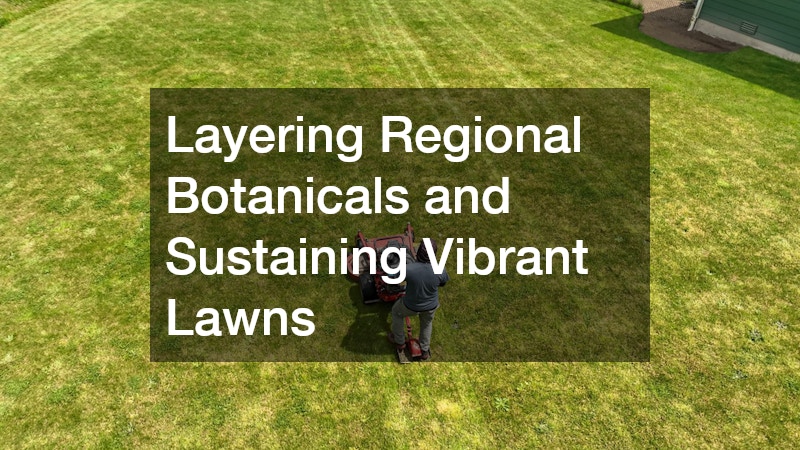
Frame your plant beds with a dense, healthy lawn to complete the modern outdoor aesthetic. A uniform green lawn acts as a visual palette cleanser, balancing rich botanical textures and crisp hardscape lines. However, maintaining a weed-free lawn amid heavy foot traffic and changing seasonal weather requires disciplined soil and turf care.
- Core Aeration and Overseeding: Relieves compacted soil, allows oxygen and nutrients to reach root zones, and introduces drought-tolerant grass cultivars.
- Targeted Soil Nutrition: Applying customized slow-release fertilizers based on spring and autumn soil tests balances pH levels for optimal root absorption.
- Proactive Weed and Pest Management: Applying pre-emergent treatments in early spring stops invasive weed growth before root networks establish.
Managing complex seasonal lawn schedules alongside busy professional routines can be challenging. Contracting specialized turf maintenance services ensures that core aeration, deep root fertilizing, seasonal overseeding, and precision mowing heights are executed on a strict schedule to keep open lawn areas lush and resilient year-round.
Modernizing an outdoor living space is an ongoing journey of balancing personal aesthetic vision with practical outdoor engineering. By treating your exterior footprint with the same architectural intention and spatial design rigor as an interior room, you create a seamless transition between indoor and outdoor life. Whether you are building custom concrete hardscapes, erecting functional outbuildings, installing overhead shade, or cultivating native plant beds, every element should contribute to a unified, comfortable environment designed around your daily lifestyle.
Successful outdoor transformations rely on thoughtful project sequencing and skilled trade execution. Phasing your renovation—starting with primary grading, underground utilities, and structural hardscapes before moving on to overhead structures, ambient lighting, and softscape planting—ensures that your project progresses smoothly without requiring costly rework.
Ultimately, investing in high-quality materials and professional trade specialists pays long-term dividends in durability, safety, and property value. When built with care and aligned with your personal tastes, a modernized outdoor space becomes far more than just a backyard—it becomes a cherished, tranquil haven where family and friends gather, unwind, and create lasting memories for years to come.