

- Fridges are major energy consumers: Running 24/7, refrigerators can significantly impact your electricity bill, making it important to know how much power they use.
- Size and type matter: Larger fridges and models with extra features (side-by-side, French door, ice/water dispensers) generally use more electricity, while compact and top-freezer models are most efficient.
- Age affects efficiency: Older refrigerators with worn insulation and standard compressors use 30–50% more energy than modern, Energy Star-rated models.
- Smart and energy-efficient features help: Energy Star labels, inverter compressors, LED lighting, and smart temperature controls reduce power consumption, even in larger or high-tech fridges.
- Simple habits save energy: Keeping the fridge full but not overcrowded, maintaining door seals, setting the correct temperature, avoiding hot food inside, and regular maintenance all reduce electricity use.
- Compare with other appliances: Refrigerators are among the most consistent household energy users, often surpassing dishwashers, washing machines, or ovens in annual electricity consumption.
- Upgrading can be cost-effective: Replacing old or inefficient fridges with modern, energy-efficient models can save money over time while improving storage and convenience.
Refrigerators are essential appliances in every home. They keep our food fresh, beverages cold, and leftovers safe to eat. But have you ever stopped to think about how much power a refrigerator uses? Whether you’re trying to lower your electricity bill, make your home more energy-efficient, or decide which fridge to buy, understanding your refrigerator’s energy consumption is crucial. In this article, we’ll break down the power usage of different fridge sizes and models, explain how energy efficiency works, and give practical tips to save electricity without sacrificing convenience.
Why Knowing Your Fridge’s Power Use Matters
Most homeowners don’t think twice about their refrigerator when considering energy costs. However, fridges are among the largest consumers of electricity in a typical household. On average, a refrigerator runs 24/7, which means even small differences in energy efficiency can add up over time. Knowing how much power your refrigerator uses helps you:
- Estimate your monthly electricity costs
- Choose energy-efficient models when buying a new fridge
- Reduce your household carbon footprint
- Avoid unpleasant surprises on your energy bill
How Much Power Does a Refrigerator Use on Average?

The power consumption of a refrigerator varies depending on its size, age, and technology. Here’s a general breakdown:
- Compact refrigerators (1.7–4.5 cubic feet): 100–250 kWh/year
- Standard top-freezer fridges (14–20 cubic feet): 300–600 kWh/year
- Side-by-side fridges (20–28 cubic feet): 400–800 kWh/year
- French door fridges (20–30+ cubic feet): 500–900 kWh/year
To put this in perspective, if your electricity rate is $0.13 per kWh, a standard 500 kWh/year fridge costs around $65 per year to run.
How Do Different Fridge Sizes Affect Power Use?
Fridge size plays a significant role in energy consumption. Bigger refrigerators naturally use more electricity, but the relationship isn’t always linear. For example:
- A 20-cubic-foot fridge doesn’t necessarily use double the power of a 10-cubic-foot fridge.
- Energy-efficient designs can reduce consumption even for larger fridges.
- Freezers and additional compartments increase power draw.
Here’s a quick comparison:
| Fridge Size | Average Energy Use (kWh/year) | Estimated Annual Cost* |
| Compact (2–4 cu. ft) | 100–250 kWh | $13–$33 |
| Small Top-Freezer (10–14 cu. ft) | 250–400 kWh | $33–$52 |
| Standard Top-Freezer (14–20 cu. ft) | 300–600 kWh | $39–$78 |
| Side-by-Side (20–28 cu. ft) | 400–800 kWh | $52–$104 |
| French Door (20–30+ cu. ft) | 500–900 kWh | $65–$117 |
*Estimated using $0.13/kWh electricity rate.
Does the Type of Fridge Impact Power Use?
Yes. The design, layout, and features of a refrigerator significantly affect its energy consumption. While all fridges work to keep food cold, differences in freezer placement, size, compressor type, and extra features can lead to big variations in electricity use. Let’s break down the common fridge types in more detail:
Top-Freezer Refrigerators
Top-freezer refrigerators are the classic design most people think of when they picture a fridge. They tend to be the most energy-efficient for their size.
- Energy Use: Typically 300–600 kWh/year for standard sizes.
- Why Efficient: The freezer is at the top, so cold air naturally flows downward into the fridge compartment, requiring less energy to maintain consistent temperatures.
- Design and Features: Usually very simple, with fewer bells and whistles—no ice dispensers or fancy touchscreen controls.
- Ideal For: Small to medium households, single people, or couples who want a reliable, cost-effective fridge.
Bottom-Freezer Refrigerators
Bottom-freezer models have become more popular because they place the fridge section at eye level, making fresh food easier to access.
- Energy Use: Slightly higher than top-freezer models, averaging 350–650 kWh/year.
- Why Slightly Higher: Cold air sinks, so the freezer on the bottom requires the compressor to work harder to maintain proper freezer temperatures.
- Design and Features: Often includes features like crisper drawers, door bins, and sometimes ice makers.
- Ideal For: Homeowners who prioritize convenience and accessibility for frequently used fresh foods.
Side-by-Side Refrigerators
Side-by-side refrigerators split the fridge and freezer vertically, each with its own door. These are common in larger households and modern kitchens.
- Energy Use: Typically 400–800 kWh/year, depending on size and features.
- Why Higher: The vertical split makes cold air escape more easily when doors are opened, and these fridges often include water and ice dispensers that add to power consumption.
- Design and Features: Can include built-in water/ice dispensers, digital displays, and adjustable shelving.
- Ideal For: Families or households that need quick access to both fridge and freezer items without bending over.
French Door Refrigerators
French door fridges are essentially wide, double-door fridges with a bottom freezer. They are often the most luxurious standard home refrigerators.
- Energy Use: Typically 500–900 kWh/year, sometimes higher depending on features.
- Why High: Extra space, multiple doors, and advanced features like smart temperature zones, ice makers, and door-in-door access increase energy demands.
- Design and Features: Spacious interior with flexible shelving, multiple drawers, and high-tech features like humidity control or smart displays.
- Ideal For: Large families or anyone who needs a lot of storage space and flexibility, but willing to trade some energy efficiency for convenience.
Compact / Apartment-Size Refrigerators
Compact or mini-fridges are designed for small spaces like apartments, dorms, or offices.
- Energy Use: Typically 100–250 kWh/year, making them the most energy-efficient option.
- Why Efficient: Smaller volume requires less energy to maintain temperatures, and most don’t include power-hungry features like ice makers or water dispensers.
- Design and Features: Very basic temperature controls, minimal compartments, and limited storage.
- Ideal For: Single occupants, small living spaces, offices, or as secondary fridges for beverages and snacks.
How Much Power Does a Smart Refrigerator Use?
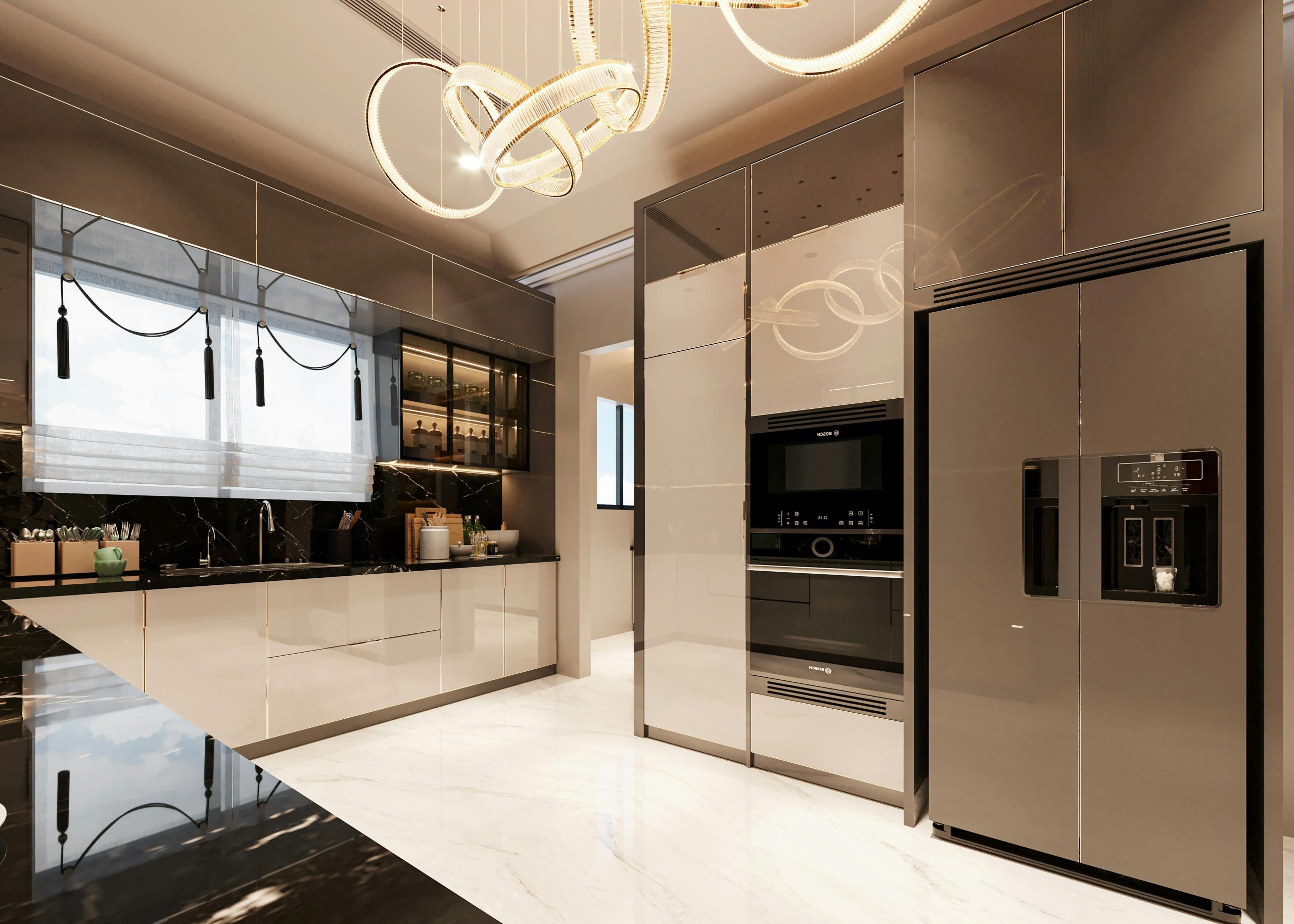
Smart refrigerators have become popular due to features like touch screens, Wi-Fi connectivity, and automatic inventory tracking. But do these features increase energy use?
- Smart fridges often consume slightly more energy than standard models because electronics run continuously.
- However, advanced compressors and temperature management systems can sometimes make them more efficient overall.
- Energy Star-rated smart refrigerators are designed to minimize excess electricity consumption.
Energy Ratings: How Do They Help You Save Power?
One of the easiest ways to understand how much power a refrigerator uses is by checking its energy rating. Most modern fridges have an Energy Star label, which indicates they meet strict efficiency standards. Key points:
- Energy Star-rated fridges use up to 15–20% less energy than non-rated models
- Look for annual kWh consumption on the yellow EnergyGuide sticker
- Efficiency improvements include better insulation, inverter compressors, and LED lighting
How to Calculate Your Fridge’s Power Use at Home
If you want to measure how much power your fridge actually uses, follow these steps:
- Check the label: Look for the energy consumption (kWh/year) on the manufacturer’s label.
- Use a plug-in energy meter: Devices like a Kill A Watt meter can measure real-time electricity usage.
- Estimate monthly costs: Multiply kWh/year by your electricity rate and divide by 12 for monthly expenses.
Example:
If your fridge uses 500 kWh/year and your electricity rate is $0.13/kWh:
500 x $0.13 = $65/year
$65 ÷ 12 = ~$5.40/month
Does Refrigerator Age Affect Power Consumption?
Yes—how old your fridge is can have a big impact on how much power it uses. Older refrigerators generally consume more electricity than newer models, even if they seem to be running fine. Here’s why:
- Insulation deteriorates over time: Older fridges lose their ability to keep cold air in and warm air out. When insulation becomes less effective, the compressor has to work harder and longer to maintain proper temperatures.
- Older compressors are less efficient: Early fridge designs relied on standard compressors that ran at a fixed speed. Modern compressors adjust their speed depending on cooling needs, using less energy. Older models run constantly, which increases electricity use.
- Technology improvements in modern fridges: Energy Star-rated fridges today include inverter compressors, LED lighting, better insulation, and smart temperature controls. These advancements significantly reduce energy consumption.
The impact: Replacing a 15–20-year-old refrigerator with a modern Energy Star-rated model can reduce electricity use by 30–50%, potentially saving hundreds of dollars over the fridge’s lifetime. Plus, newer models often have features that make food storage more convenient and flexible.
Tips to Reduce Your Refrigerator’s Energy Use
Even if you have a relatively new, energy-efficient refrigerator, small habits and maintenance practices can help lower electricity consumption. Here are some of the most effective strategies:
- Keep the fridge full but not overcrowded: A full fridge retains cold temperatures more efficiently, but don’t pack it so tightly that air can’t circulate. Proper airflow ensures consistent cooling and reduces compressor strain.
- Check door seals regularly: Gaskets can crack or wear out over time. A leaking seal lets cold air escape, forcing the fridge to use more power. Test the seal by closing the door over a piece of paper—if it slides out easily, it’s time to replace the gasket.
- Set the right temperature: For optimal energy efficiency, keep your fridge between 37–40°F (3–4°C) and the freezer at 0°F (-18°C). Temperatures that are too low waste electricity, while temperatures that are too high can spoil food.
- Avoid putting hot food directly in the fridge: Let leftovers or cooked dishes cool down first. Hot food makes the fridge work harder to maintain the correct temperature.
- Regular maintenance: Clean the condenser coils at least twice a year, as dust and debris reduce efficiency. Defrost the freezer if frost builds up more than 1/4 inch—it forces the compressor to run longer.
Extra tips for energy-conscious homeowners:
- Consider using a fridge thermometer to monitor temperature accuracy.
- Minimize frequent door openings, especially during hot weather.
- If you have a secondary fridge or freezer, keep it unplugged when not in use.
Common Misconceptions About Refrigerator Energy Use
- “Bigger fridges always cost more to run.” Not necessarily—energy-efficient large fridges can use less power than older smaller models.
- “Keeping the fridge door open a few extra seconds doesn’t matter.” Frequent or long openings increase energy use.
- “Smart fridges drastically increase electricity bills.” Only if the fridge isn’t Energy Star-rated or if features are overused.
How Much Power Does a Refrigerator Use Compared to Other Appliances?
To put things in perspective, here’s a quick comparison of average household appliance energy use:
- Refrigerator: 300–900 kWh/year
- Dishwasher: 180–300 kWh/year
- Washing machine: 150–250 kWh/year
- Air conditioner (window unit): 500–1,500 kWh/year
- Electric oven: 100–300 kWh/year
As you can see, the fridge is one of the most consistent energy consumers because it runs continuously.
Should You Upgrade Your Fridge for Energy Savings?
If your fridge is more than 10–15 years old, upgrading can be a smart move:
- Modern Energy Star-rated fridges use significantly less energy
- New fridges have advanced features like inverter compressors and better insulation
- The savings can offset the cost of a new fridge over time
Final Thoughts: Making the Right Choice
Understanding how much power a refrigerator uses is more than just curiosity—it’s a practical way to save money and energy. When choosing a fridge, consider:
- Size and layout
- Type and features
- Energy rating
- Your household’s needs
Even small adjustments, like maintaining the right temperature or cleaning the coils, can help you cut electricity costs without sacrificing convenience.