
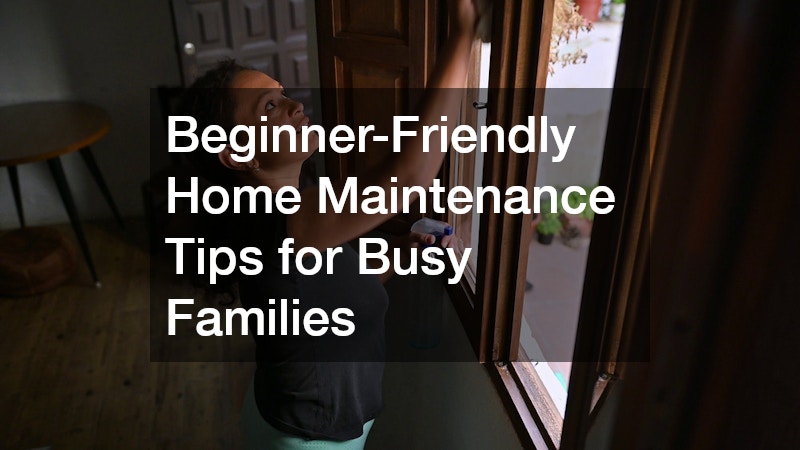
For many families, home maintenance falls into the same category as organizing old paperwork or cleaning out the garage: important, but easy to postpone. Between work schedules, school pickups, sports practices, and trying to carve out a little downtime, it can feel impossible to stay ahead of household responsibilities.
The challenge is not usually a lack of motivation. Most homeowners want a safe, comfortable, and functional home. The real issue is that maintenance often feels overwhelming because people imagine it as a giant weekend project rather than a collection of small, manageable habits.
The good news is that effective home care does not require advanced DIY skills or endless free time. In most cases, preventing major repairs comes down to noticing problems early and handling simple tasks consistently. A few minutes spent checking for leaks, replacing filters, or clearing outdoor debris can save thousands of dollars and prevent stressful emergencies later.
Busy families benefit most from maintenance routines that are flexible and realistic. Instead of trying to complete everything at once, it helps to divide responsibilities into smaller seasonal or monthly tasks. Some jobs take less than ten minutes but make a noticeable difference in the health and longevity of a home.
The goal is not perfection. The goal is to keep your home running smoothly enough that small issues do not turn into expensive disasters.
Creating a Seasonal Routine That Feels Manageable
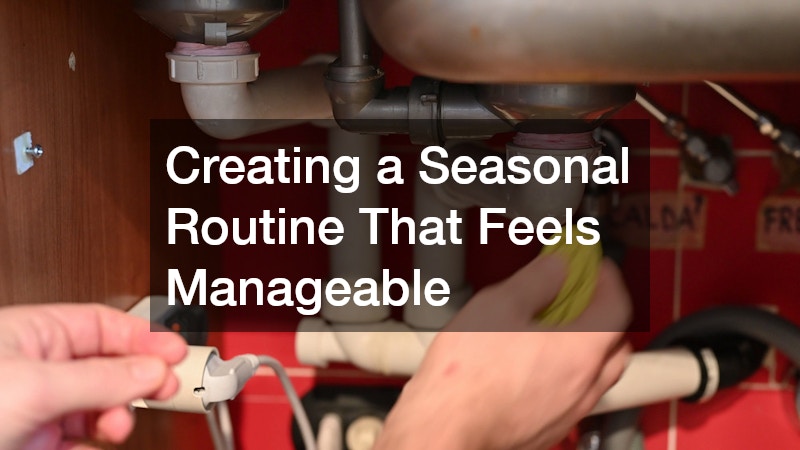
One reason people avoid home maintenance is that they think they need a detailed master plan. In reality, the simplest systems are usually the easiest to maintain long-term.
Rather than dedicating entire weekends to household chores, many families find success with a seasonal approach. Breaking responsibilities into smaller categories helps reduce burnout and keeps maintenance from piling up.
Spring might focus on cleaning and exterior inspections. Summer can involve outdoor repairs and moisture control. Fall is ideal for heating preparation, while winter often centers around indoor safety and plumbing protection.
A basic monthly checklist can include:
- Testing smoke detectors
- Checking for water leaks under sinks
- Replacing HVAC filters
- Inspecting caulking around windows and tubs
- Clearing clutter from vents and utility spaces
- Looking for signs of pests or moisture damage
These tasks are simple, but consistency matters more than complexity.
Some families also assign maintenance responsibilities by age or ability. Older children can help change air filters, organize tools, or clean outdoor furniture. Even younger kids can participate by helping tidy shared spaces or learning basic household safety habits.
The biggest advantage of a routine is not just cleanliness or organization. It is awareness. Families who regularly inspect their homes are more likely to catch developing issues before they become emergencies.
Maintaining Outdoor Spaces Before Problems Spread
Inspecting Exterior Areas Throughout the Year
Outdoor maintenance is easy to ignore because many problems develop gradually. A fence does not collapse overnight, and siding rarely becomes damaged all at once. However, weather exposure slowly weakens materials over time.
After heavy rain or seasonal storms, walk around the property and look carefully at exterior structures. Small warning signs often appear long before major repairs become necessary.
Pay attention to:
- Loose boards or unstable gates
- Cracks in walkways
- Pooling water near foundations
- Areas where soil erosion is occurring
- Rotting wood around decks or railings
Homeowners with fencing around their property should periodically check for leaning posts, warped boards, or loose hardware. These issues may seem cosmetic at first, but damaged barriers can eventually create safety concerns for children and pets.
Families with busy schedules often benefit from combining outdoor inspections with other routines. For example, checking the yard while mowing the lawn or taking out trash bins makes maintenance feel less like a separate chore.
Removing Dirt Before It Causes Damage
Exterior surfaces naturally collect grime, pollen, mildew, and debris throughout the year. Over time, this buildup can stain surfaces and even shorten the lifespan of materials like concrete, brick, or siding.
Many homeowners wait until outdoor areas look visibly dirty before cleaning them, but preventative care works better. Annual power washing can help preserve driveways, patios, decks, and walkways while improving curb appeal at the same time.
This does not always require an elaborate weekend project. Even cleaning one area at a time can make a noticeable difference. Some families focus on patios in spring and driveways later in the summer.
Routine exterior cleaning also provides an opportunity to notice hidden damage, such as cracks, loose trim, or early mold growth.
Preventing Plumbing Emergencies With Early Action

Water damage is one of the most expensive and disruptive problems homeowners face. The difficult part is that plumbing issues often begin quietly.
A slow drain, occasional odor, or small leak under the sink may not seem urgent. But left untreated, those minor annoyances can quickly turn into major repairs involving flooring, drywall, or even structural damage.
Recognizing Small Warning Signs Early
Busy households place constant strain on plumbing systems. Multiple showers, laundry loads, dishwashing cycles, and bathroom use can gradually wear down pipes and drains.
Common warning signs include:
- Slow-draining sinks or tubs
- Gurgling sounds from pipes
- Water stains on ceilings or walls
- Unpleasant odors near drains
- Frequent toilet clogs
Ignoring these symptoms often allows buildup or hidden leaks to worsen.
Preventative habits help reduce problems significantly. Avoid pouring grease down kitchen drains, use drain screens to catch hair and debris, and flush drains periodically with hot water.
In some homes, recurring clogs may indicate deeper issues inside the plumbing system. Professional drain cleaning services can remove buildup that household cleaners cannot reach, helping prevent future backups and pipe damage.
Knowing When Professional Help Is Necessary
Many homeowners enjoy tackling minor repairs themselves, and basic maintenance can absolutely save money. Tightening loose fixtures or unclogging a simple sink drain may be manageable for beginners.
However, some situations require trained professionals.
Persistent leaks, low water pressure throughout the house, or repeated drain issues often point to larger system problems. Experienced plumbers can diagnose hidden complications before they escalate into major structural damage.
Families sometimes delay calling professionals because they hope problems will resolve on their own. Unfortunately, plumbing rarely works that way. Acting quickly usually costs far less than waiting until a pipe bursts or water damage spreads behind walls.
Improving Indoor Air Quality With Smarter Habits
Indoor air quality affects far more than comfort. Dust, allergens, moisture, and debris circulating through a home can contribute to respiratory irritation, headaches, fatigue, and lingering odors.
For busy families, air quality issues often develop gradually because daily routines leave little time to notice subtle changes.
Reducing Dust and Airborne Irritants
One overlooked source of indoor dust is the ventilation system itself. Over time, vents and ductwork collect debris that continuously circulates throughout the home.
Families with pets, allergies, or older HVAC systems may especially notice increased dust buildup on furniture or around vents.
Regular filter replacement helps significantly, but some homes also benefit from periodic service from professional duct cleaners. Thorough cleaning can improve airflow while reducing the buildup of allergens and contaminants inside the ventilation system.
Beyond HVAC care, a few simple habits improve indoor air quality substantially:
- Remove shoes near entryways
- Vacuum upholstered furniture regularly
- Wash bedding frequently
- Keep humidity levels balanced
- Open windows periodically when the weather allows
These small adjustments create cumulative benefits over time.
Simplifying Household Cleaning Responsibilities
One reason cleaning becomes overwhelming is that many families treat it as an occasional marathon instead of a continuous process.
A more effective approach involves shorter, more frequent cleaning sessions. Spending fifteen minutes tidying one area daily usually feels far more manageable than dedicating an entire Saturday to deep cleaning.
Some households also choose to work with a residential cleaning company periodically for support. Even occasional professional cleaning can help families reset their routines and stay ahead of dust, grime, and clutter accumulation.
This approach is especially helpful during busy seasons like back-to-school months, holidays, or periods with demanding work schedules.
The goal is not maintaining a picture-perfect home. It is creating an environment that feels healthier, calmer, and easier to manage.
Controlling Moisture Before It Creates Bigger Problems

Moisture issues rarely stay small for long. A little condensation around a basement wall or occasional bathroom humidity can eventually create conditions for structural damage and unhealthy indoor air.
The challenge is that moisture problems often remain hidden until they become severe.
Monitoring Areas That Commonly Trap Humidity
Bathrooms, laundry rooms, crawl spaces, and basements are frequent trouble spots because they naturally collect excess moisture.
Warning signs may include:
- Peeling paint
- Musty odors
- Condensation on windows
- Warped flooring
- Discolored drywall
These symptoms should never be ignored.
When moisture remains trapped for extended periods, mold can begin developing behind walls, under flooring, or around insulation. Professional mold removal may become necessary if growth spreads beyond surface-level cleaning.
Families with young children or individuals with allergies should be especially cautious about prolonged exposure to indoor mold growth.
Creating Better Ventilation Habits
Fortunately, preventing moisture buildup is often simpler than homeowners expect.
Start with airflow. Bathroom exhaust fans should run during showers and continue operating afterward for several minutes. Laundry areas need proper ventilation, especially if dryers produce excess humidity.
Basements benefit from dehumidifiers during humid months, particularly in older homes where moisture intrusion is more common.
It also helps to inspect vulnerable areas regularly rather than waiting for obvious damage. A quick monthly check under sinks, around water heaters, and near basement walls can reveal leaks early enough to avoid major repairs.
Preparing Heating Systems Before Seasonal Stress Arrives
Heating systems often receive attention only after something stops working. Unfortunately, waiting until the first freezing night of the year to test equipment can lead to breakdowns when HVAC companies are busiest.
Preventive care is much easier and less stressful.
Scheduling Routine Service Before Winter
Most HVAC systems perform better and last longer when they receive regular inspections. Even simple maintenance tasks improve efficiency and reduce strain on equipment.
Heating maintenance typically includes:
- Replacing filters
- Checking thermostat accuracy
- Inspecting burners or heat exchangers
- Cleaning system components
- Verifying airflow and ventilation
Routine service not only helps systems operate efficiently but may also lower monthly energy costs.
Many homeowners notice warning signs long before complete system failure occurs. Uneven heating, unusual noises, rising utility bills, or weak airflow often indicate that a system needs attention.
Addressing those issues early reduces the likelihood of emergency repairs during colder months.
Using Supplemental Heat Sources Safely
In some homes, supplemental heat sources provide additional warmth and comfort during winter. A wood stove can create a cozy atmosphere while reducing reliance on central heating systems, but it also requires careful maintenance.
Creosote buildup, improper ventilation, and neglected chimneys can create serious fire hazards.
Before using any wood-burning appliance each season, homeowners should:
- Inspect chimney components
- Remove ash buildup
- Check for cracks or damage
- Confirm proper airflow
- Keep combustible materials at a safe distance
Families with children should also establish clear safety rules around hot surfaces and fireplace tools.
When maintained properly, supplemental heating systems can operate safely and efficiently for many years.
Updating Critical Systems Before They Fail
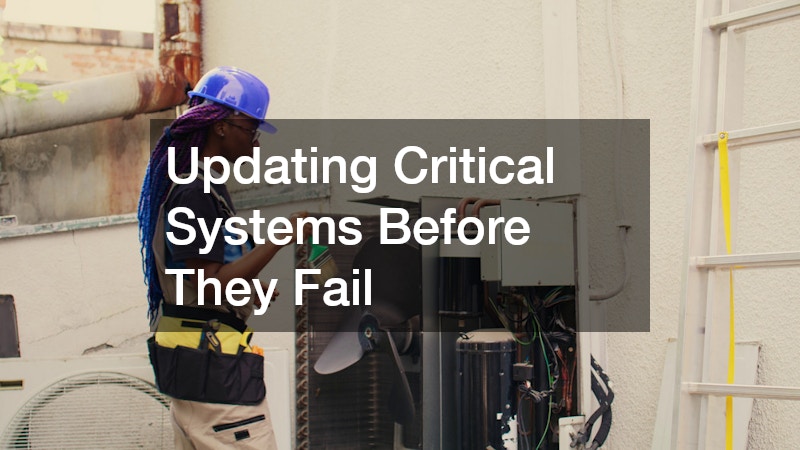
Some home maintenance tasks involve prevention. Others involve recognizing when outdated systems need replacement.
Busy families often postpone upgrades because everything appears functional on the surface. However, aging systems may create hidden safety risks long before complete failure occurs.
Paying Attention to Electrical Warning Signs
Electrical systems deserve serious attention because problems can escalate quickly.
Warning signs may include:
- Frequently tripped breakers
- Flickering lights
- Warm outlets
- Buzzing sounds
- Overloaded extension cords
Older homes, especially, may struggle to support modern electrical demands. Between home offices, gaming systems, appliances, and charging devices, many households now place far greater strain on electrical systems than homes were originally designed to handle.
In some situations, an electrical panel upgrade becomes necessary to safely distribute power throughout the home.
Although homeowners sometimes view electrical work as optional until failure occurs, proactive upgrades improve both safety and long-term reliability.
Thinking About Maintenance as Long-Term Protection
One of the most important mindset shifts for homeowners is understanding that maintenance is not simply about fixing problems. It is about protecting the value and livability of the home over time.
A neglected issue usually affects more than one area eventually. A roof leak may lead to insulation damage. Poor ventilation may contribute to mold growth. Plumbing leaks can weaken flooring and drywall.
By contrast, consistent preventative care creates stability.
Families who develop simple maintenance habits often experience:
- Fewer emergency repairs
- Lower long-term expenses
- Better energy efficiency
- Improved indoor comfort
- Reduced household stress
The process does not need to be perfect to be effective.
Making Home Maintenance Sustainable for Everyday Life
The most successful maintenance routines are rarely the most ambitious ones. They are the ones people can realistically maintain during busy weeks, stressful seasons, and unpredictable schedules.
For some families, that means tackling one project per month instead of attempting complete home overhauls. For others, it means relying on professionals for specialized work while focusing on manageable daily habits at home.
What matters most is consistency.
A home does not stay safe, comfortable, and efficient through occasional bursts of effort alone. It stays functional because small problems are noticed early, routine care becomes habitual, and maintenance is viewed as an ongoing investment rather than a temporary project.
Even modest efforts make a meaningful difference over time. Replacing filters, checking for leaks, cleaning moisture-prone areas, and scheduling preventative inspections all contribute to a healthier and more reliable home environment.
Busy families already juggle countless responsibilities every day. Home maintenance should support that life, not overwhelm it. With practical routines and realistic expectations, keeping a home in good condition becomes far more achievable than many homeowners realize.